In The Studio With Jon Klassen
Written by Erin Feher
Photography by Nicki Sebastian
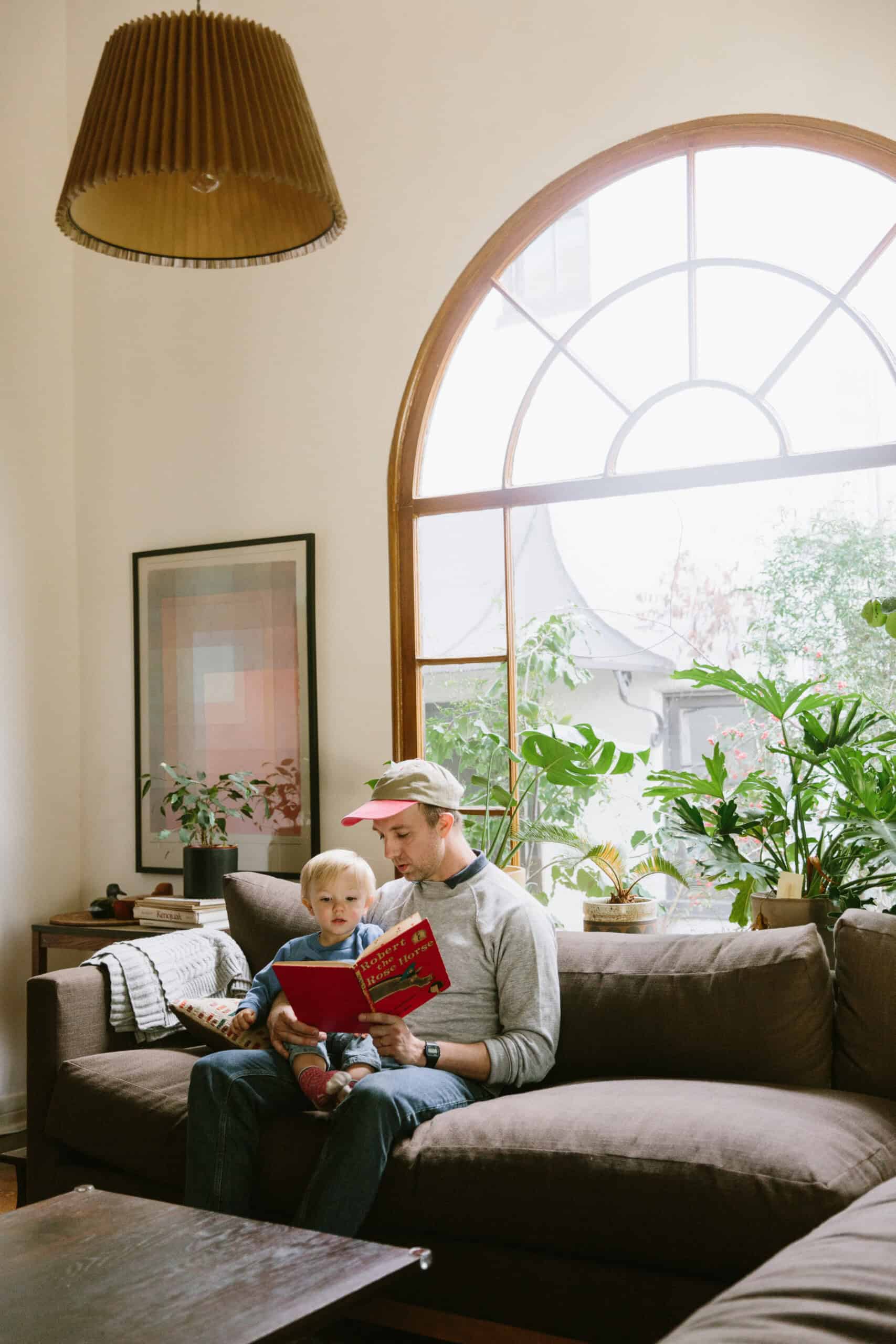
Photo by Nicki Sebastian
1 / 33
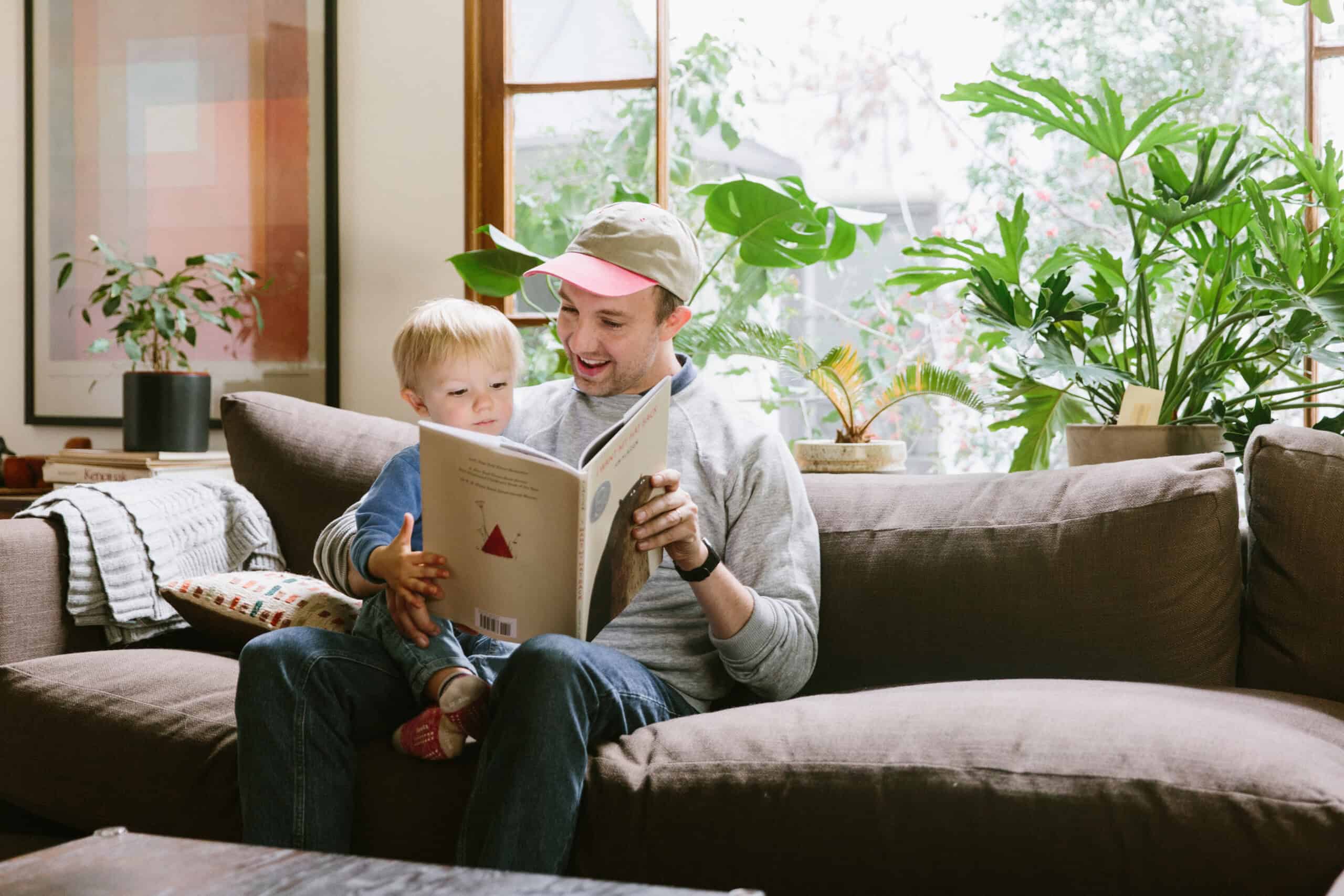
Photo by Nicki Sebastian
2 / 33
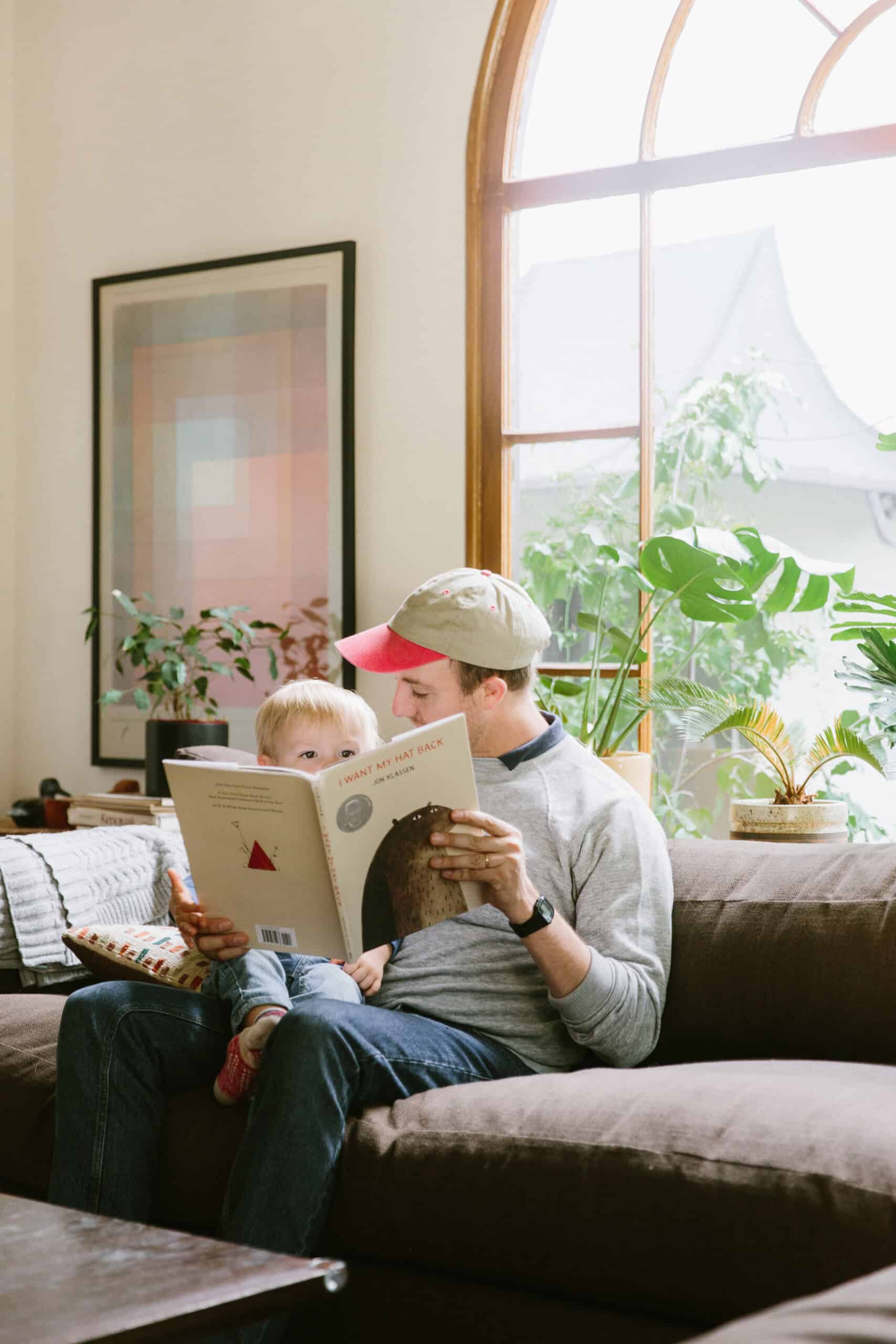
Photo by Nicki Sebastian
3 / 33
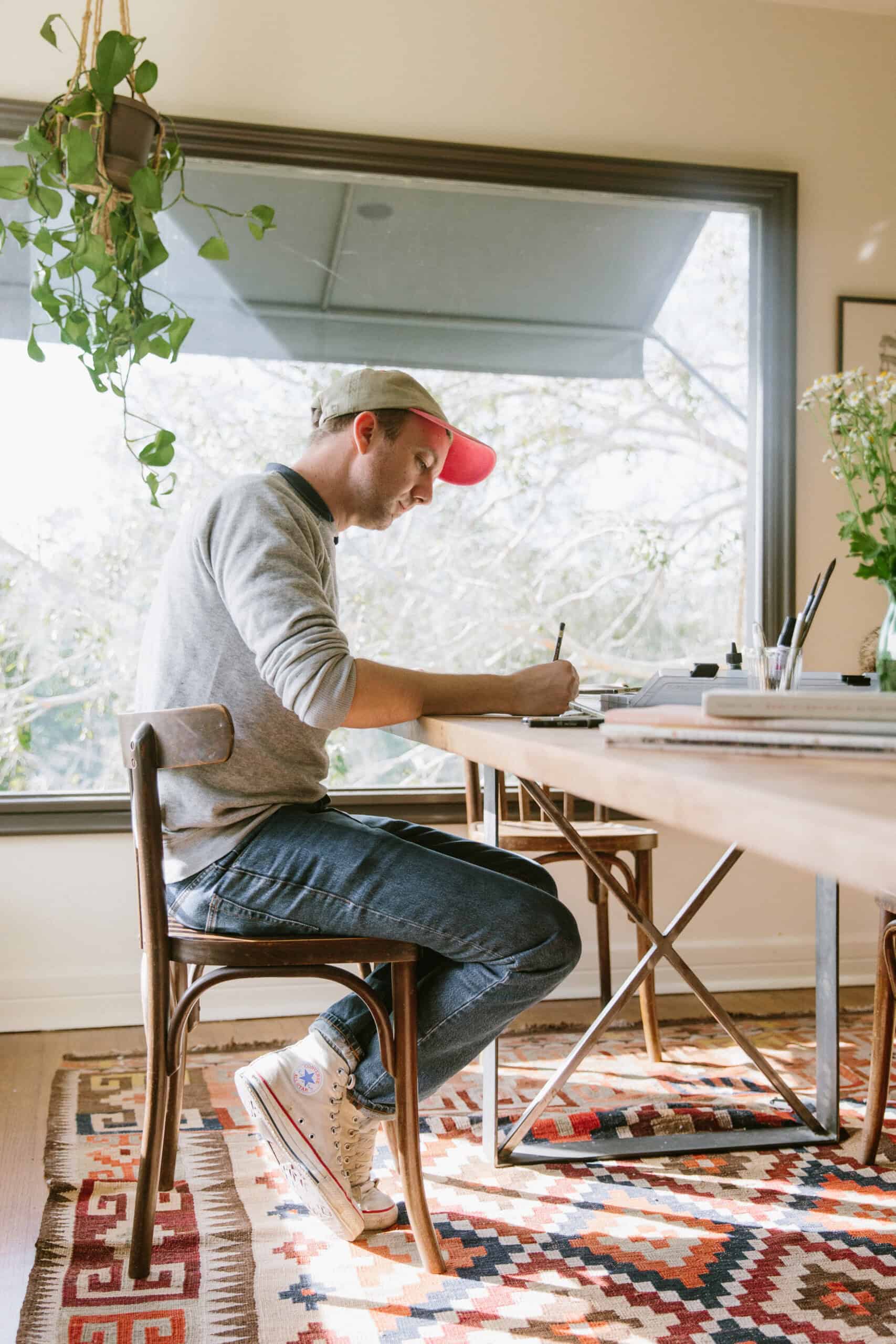
Photo by Nicki Sebastian
4 / 33
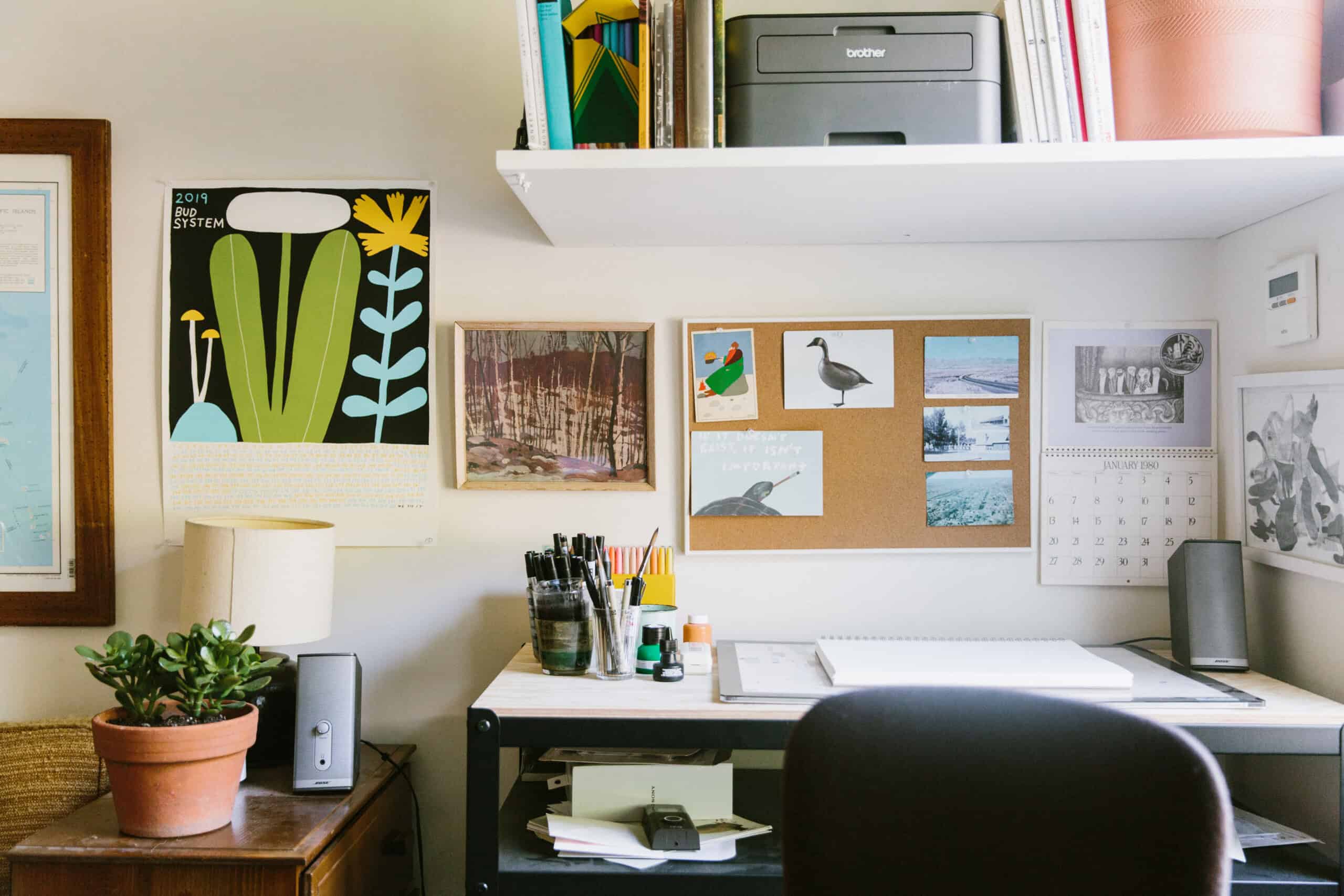
Photo by Nicki Sebastian
5 / 33
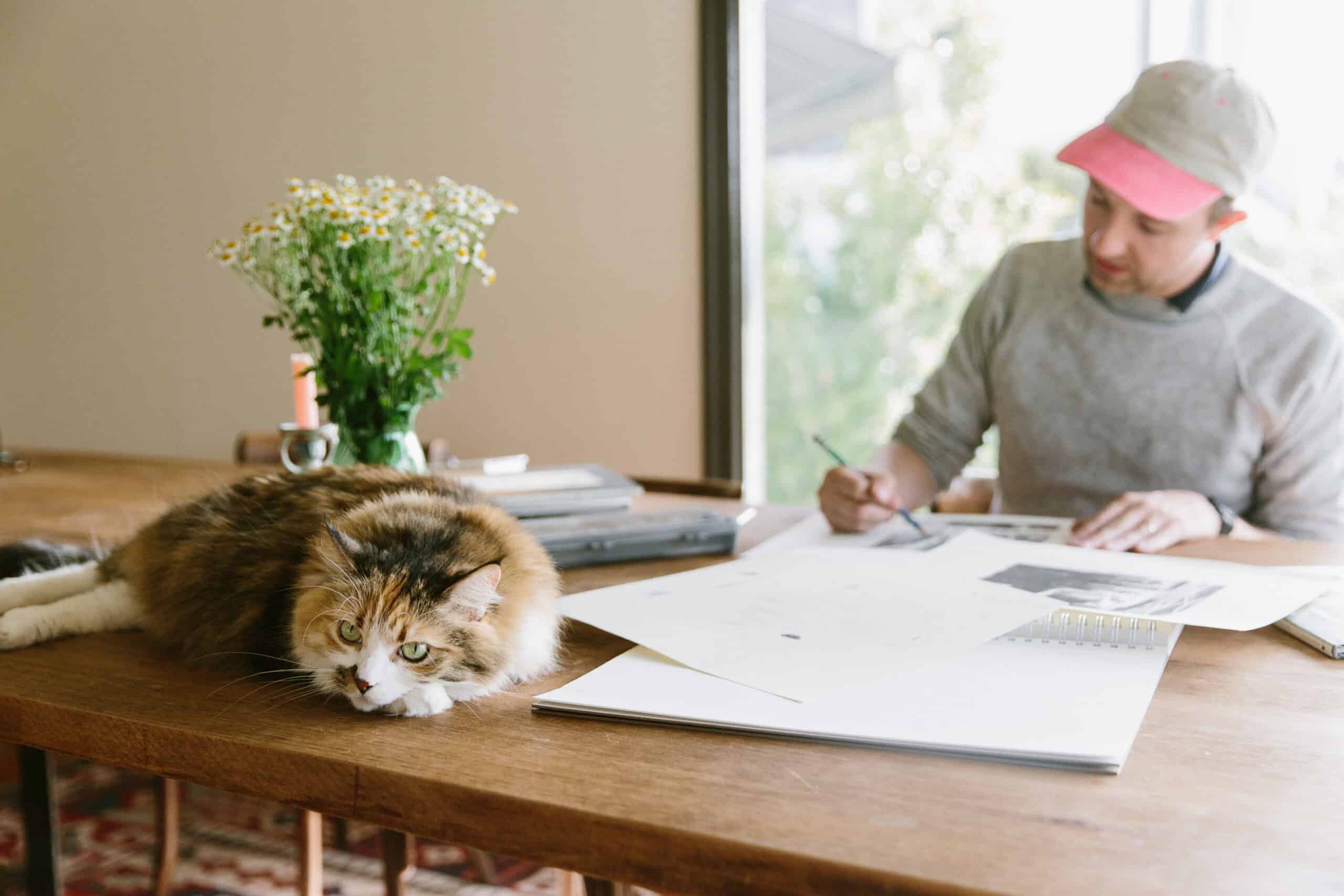
Photo by Nicki Sebastian
6 / 33
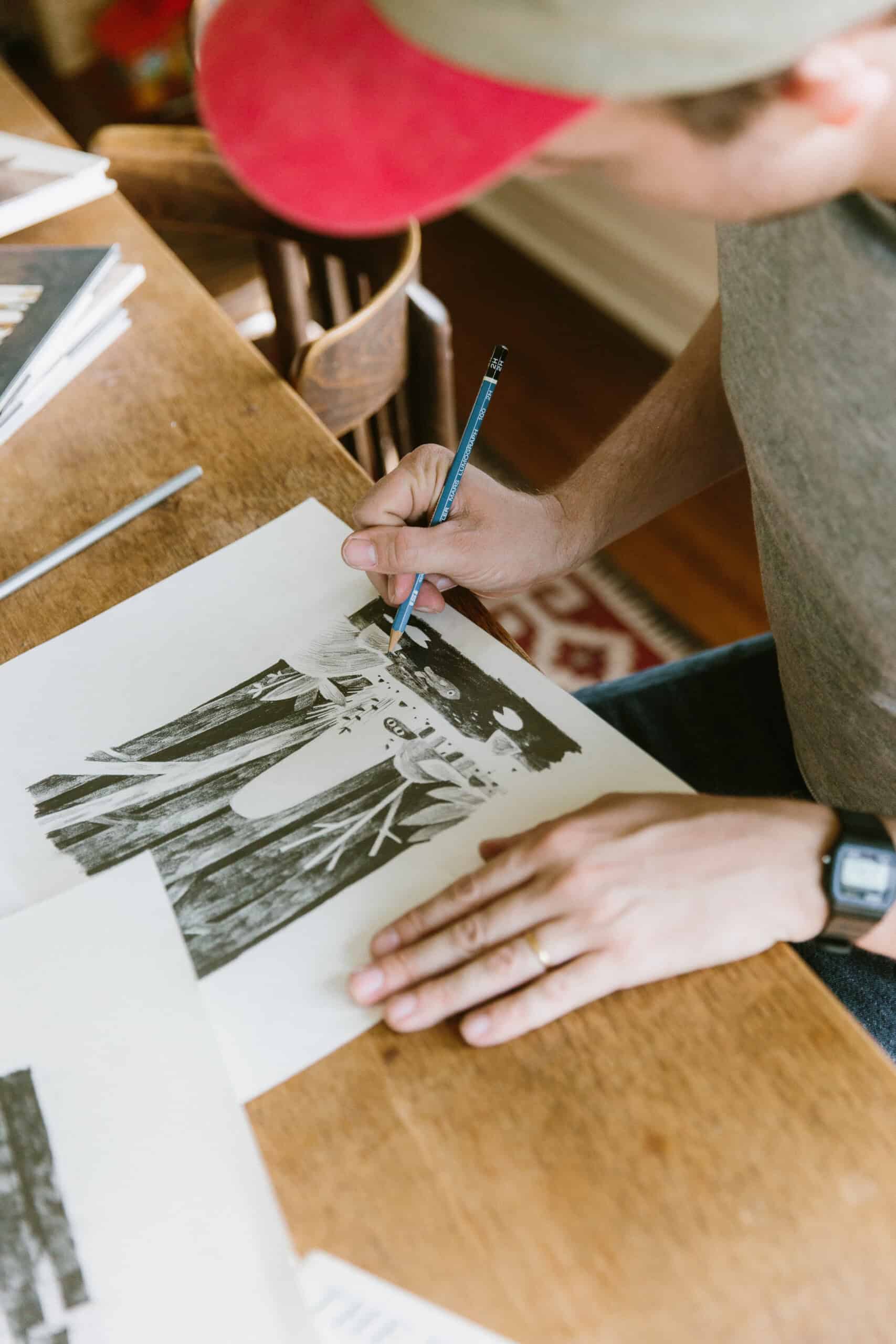
Photo by Nicki Sebastian
7 / 33
Photo by Nicki Sebastian
8 / 33
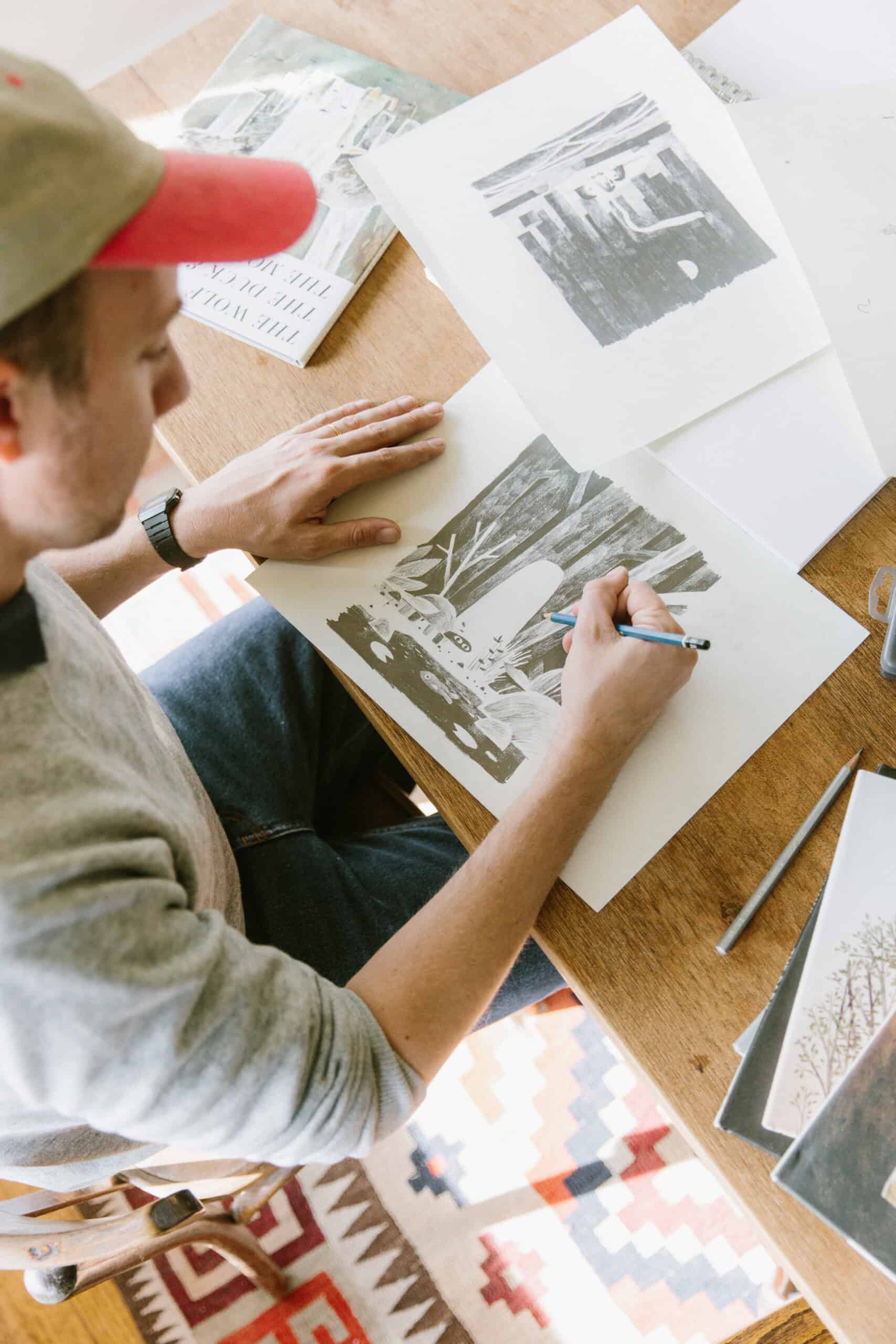
Photo by Nicki Sebastian
9 / 33
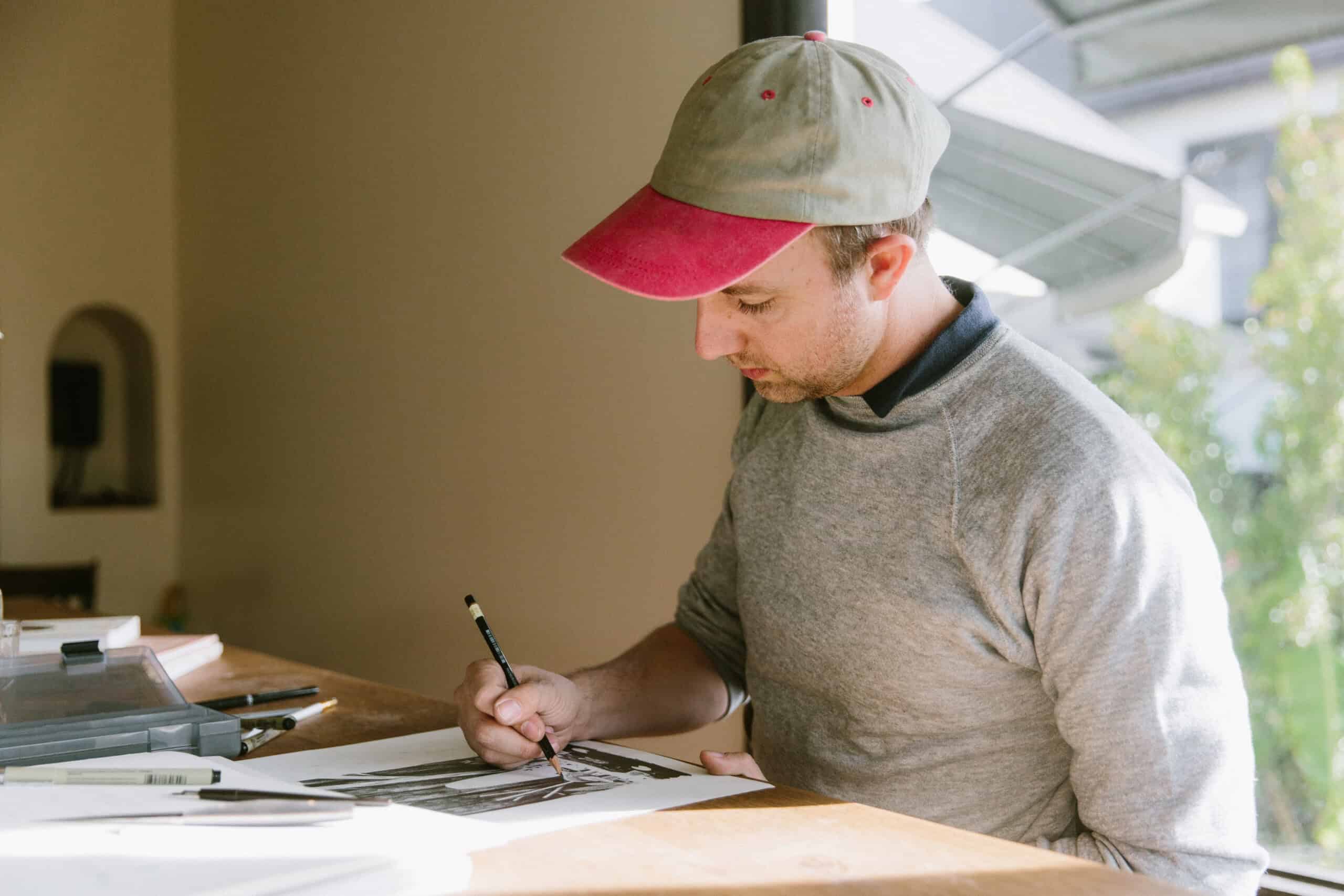
Photo by Nicki Sebastian
10 / 33
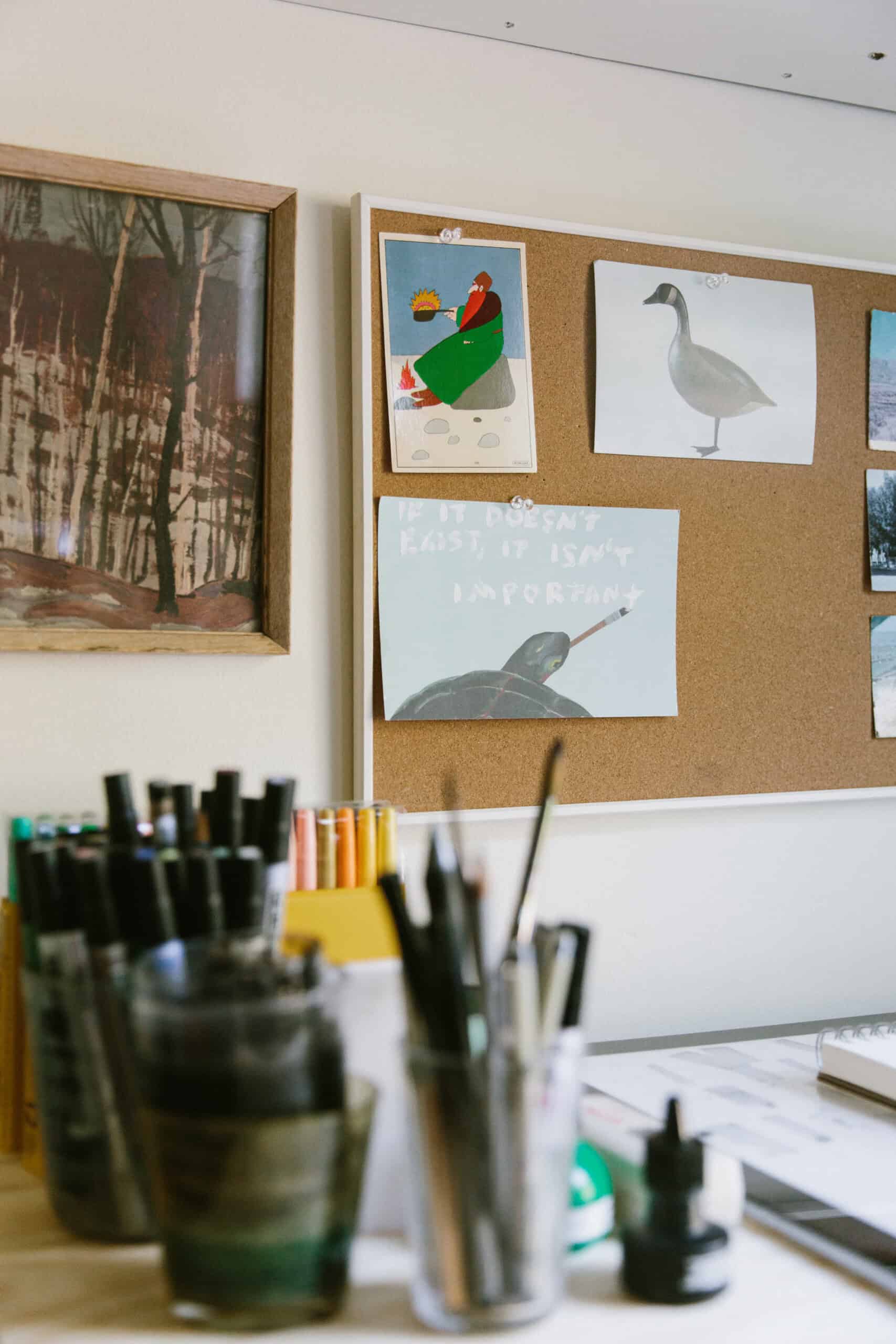
Photo by Nicki Sebastian
11 / 33
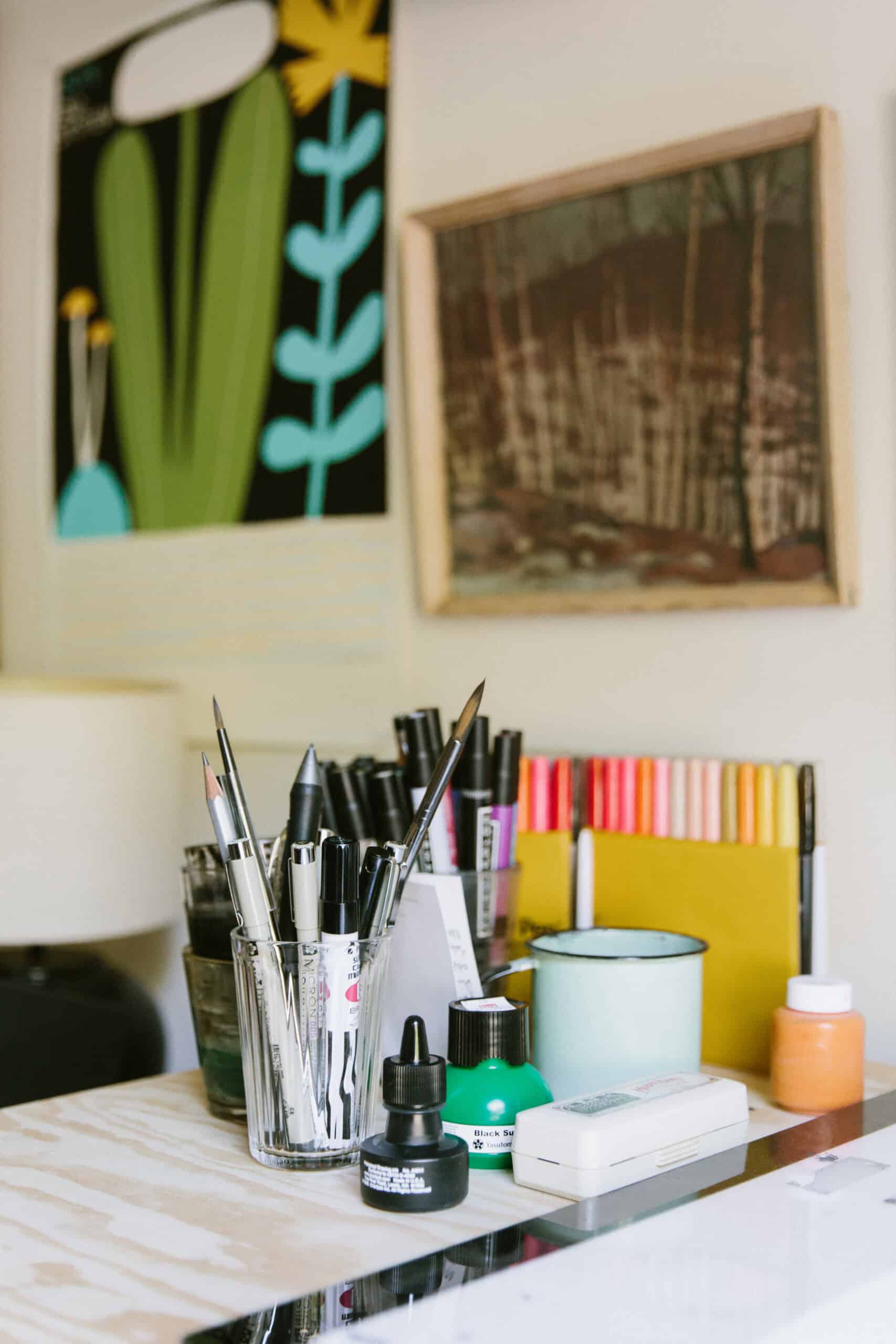
Photo by Nicki Sebastian
12 / 33
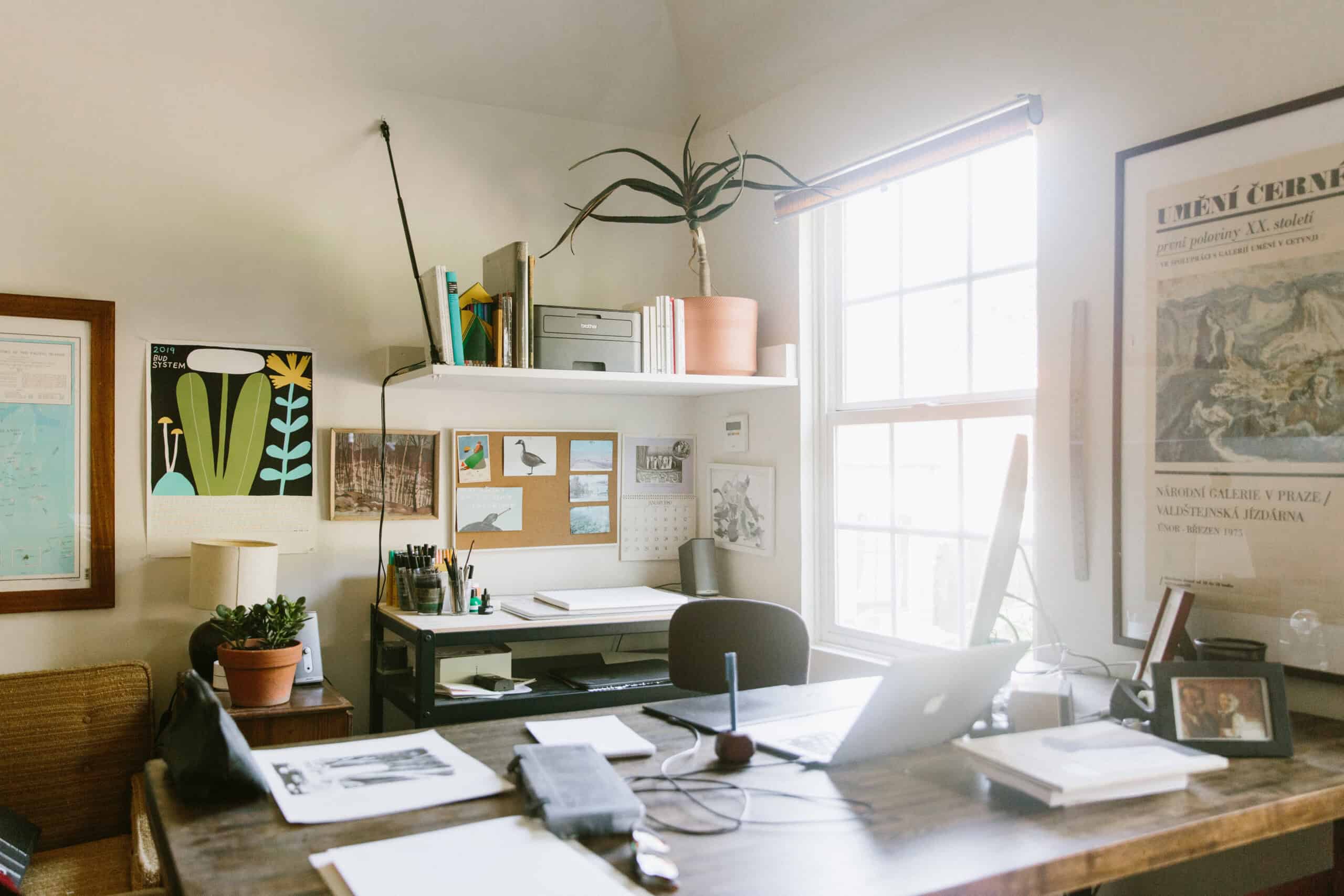
Photo by Nicki Sebastian
13 / 33
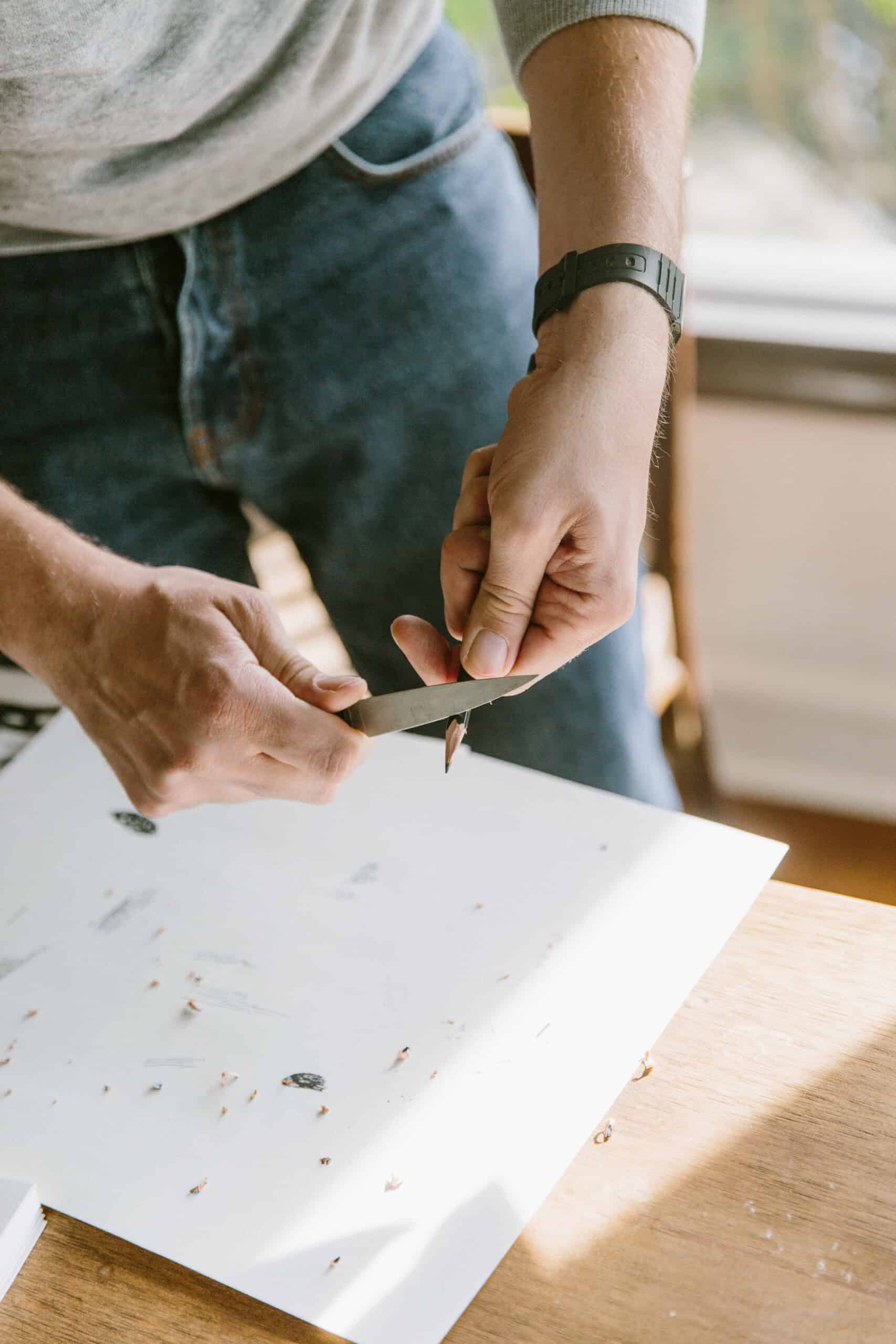
Photo by Nicki Sebastian
14 / 33
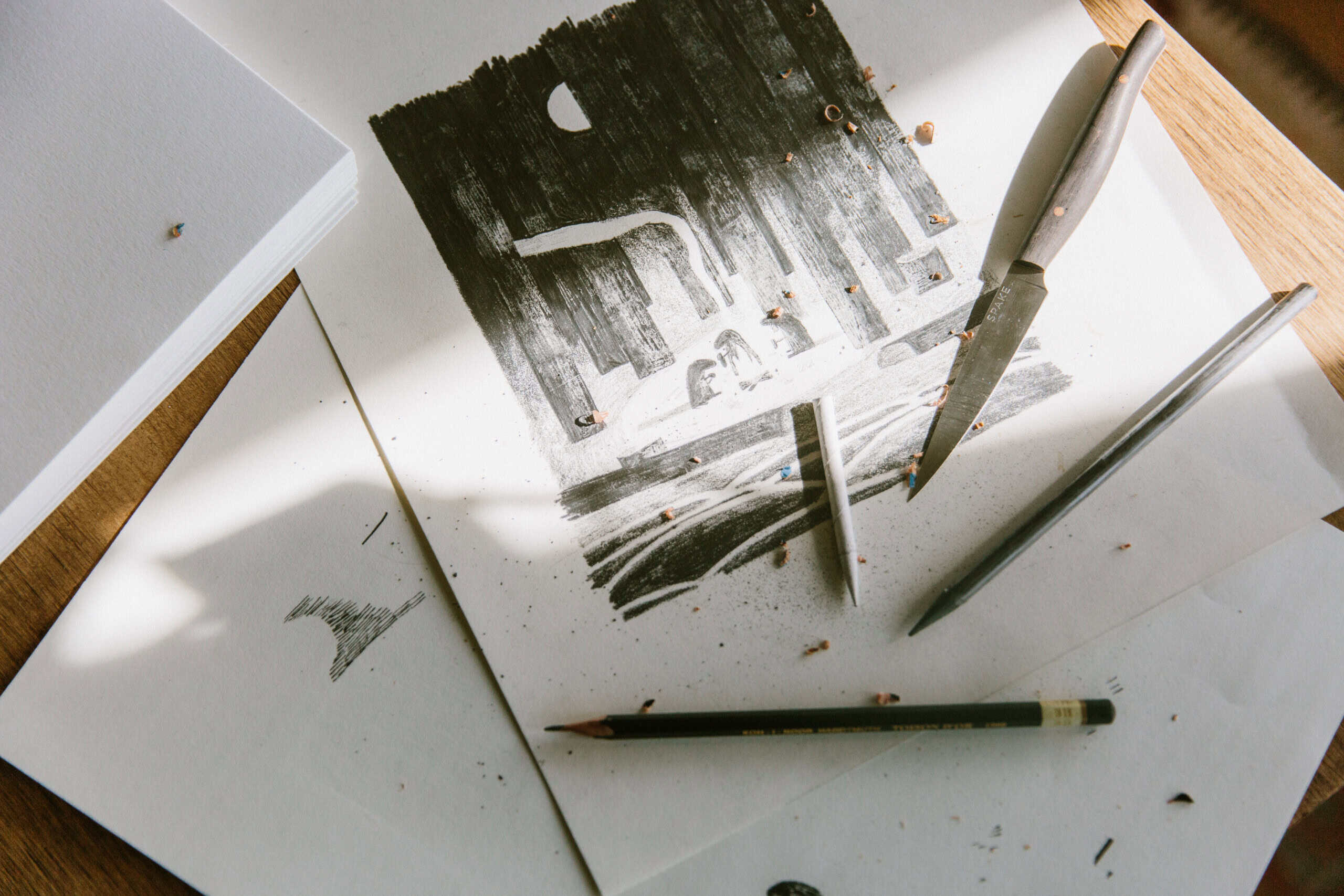
Photo by Nicki Sebastian
15 / 33
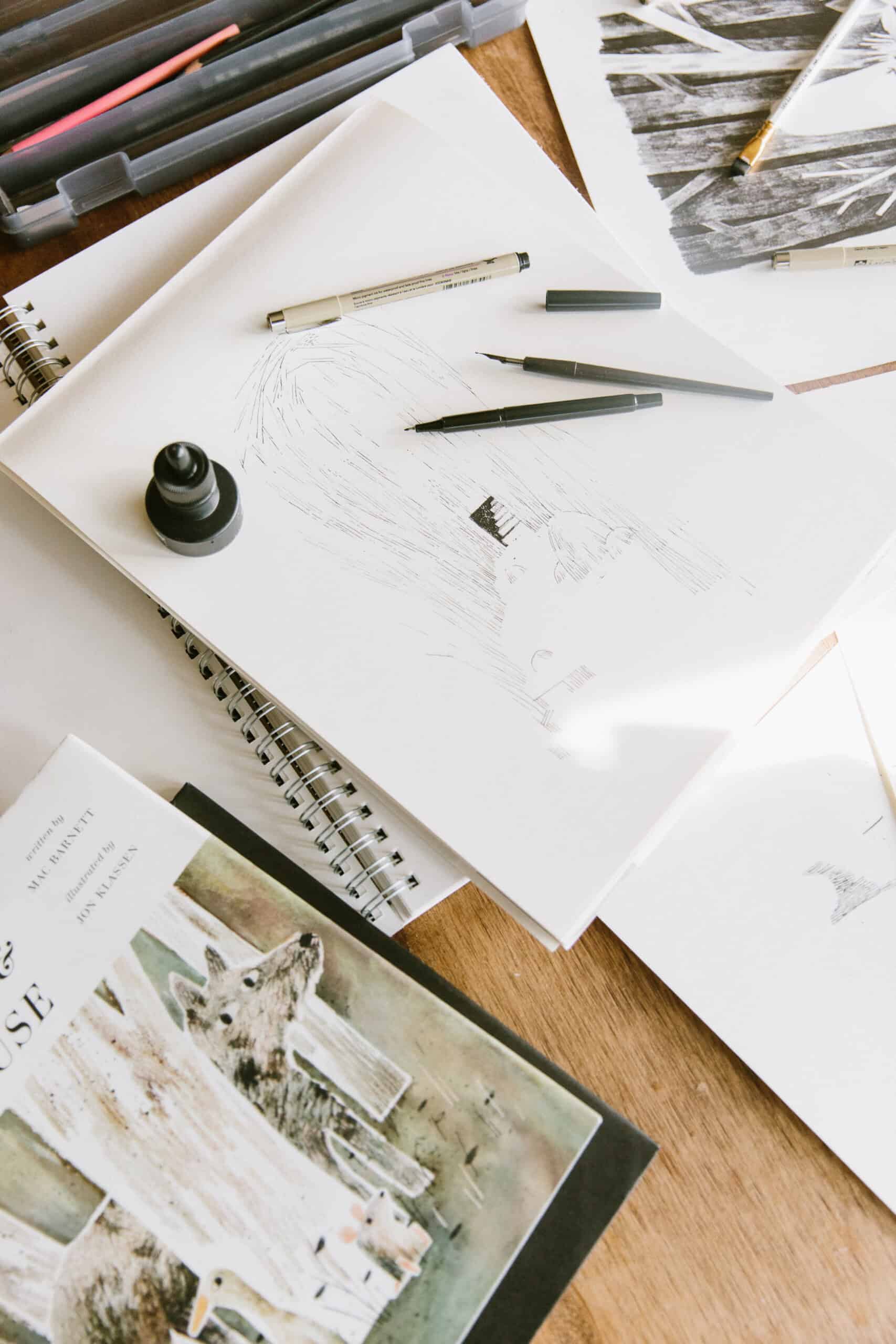
Photo by Nicki Sebastian
16 / 33
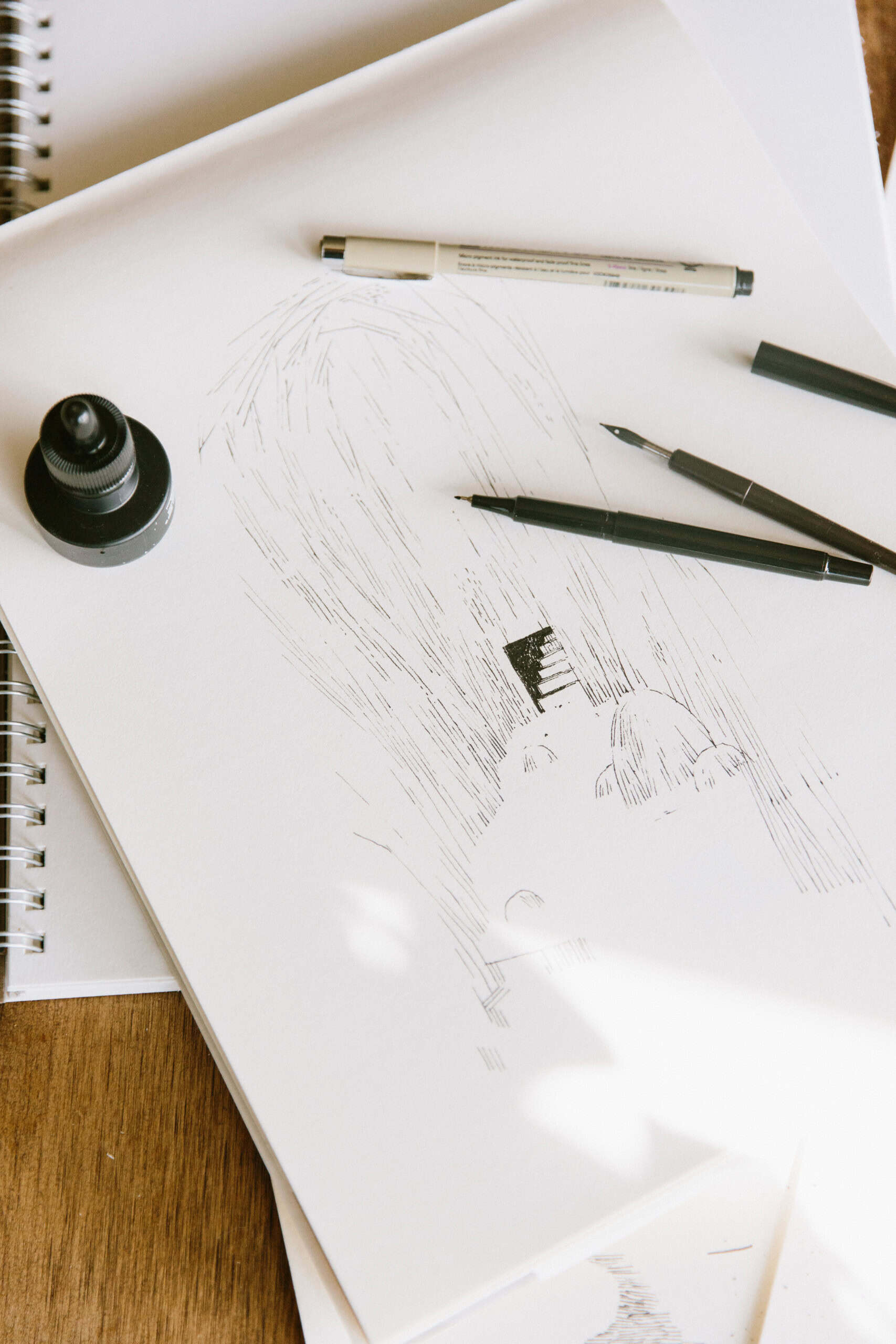
Photo by Nicki Sebastian
17 / 33
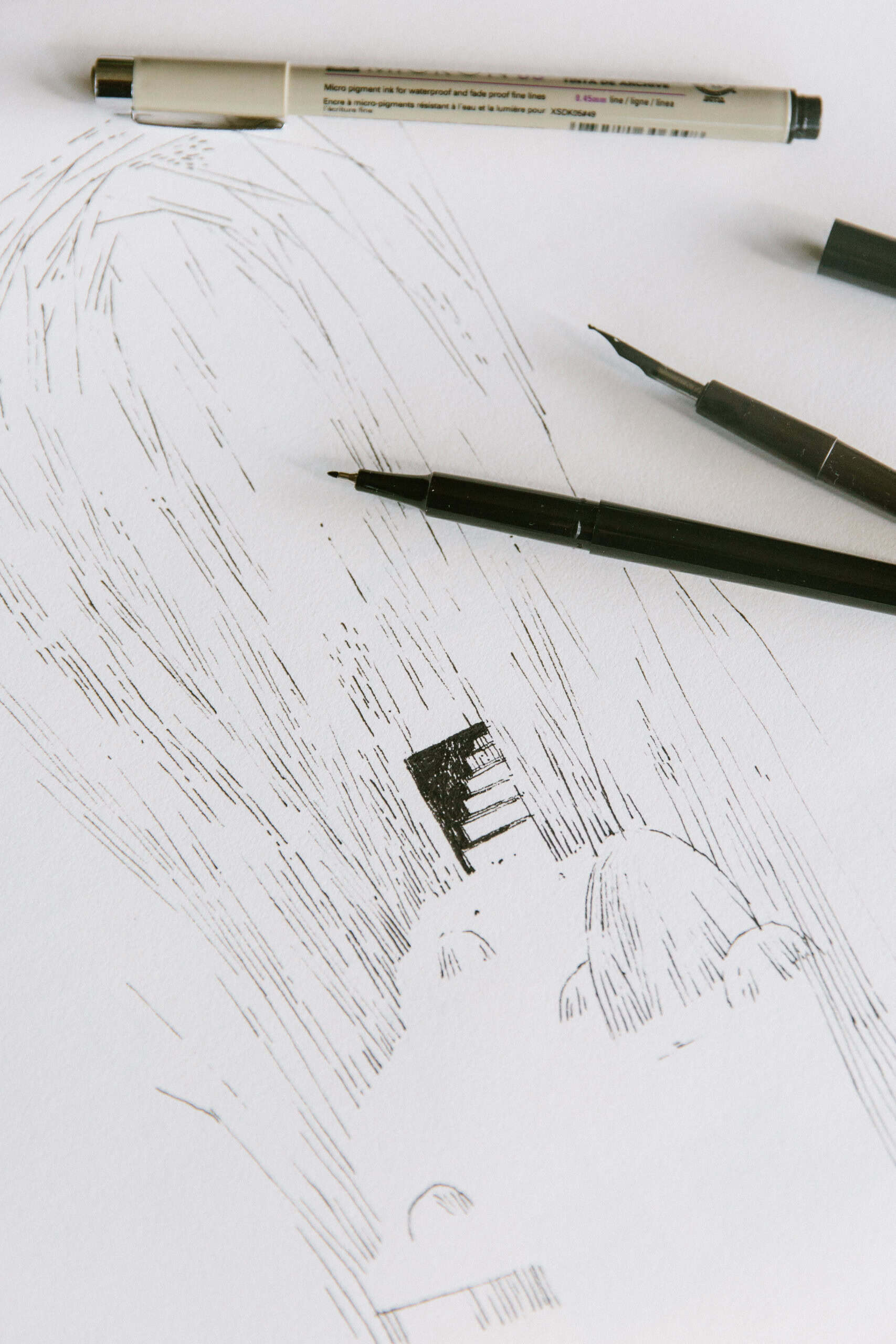
Photo by Nicki Sebastian
18 / 33
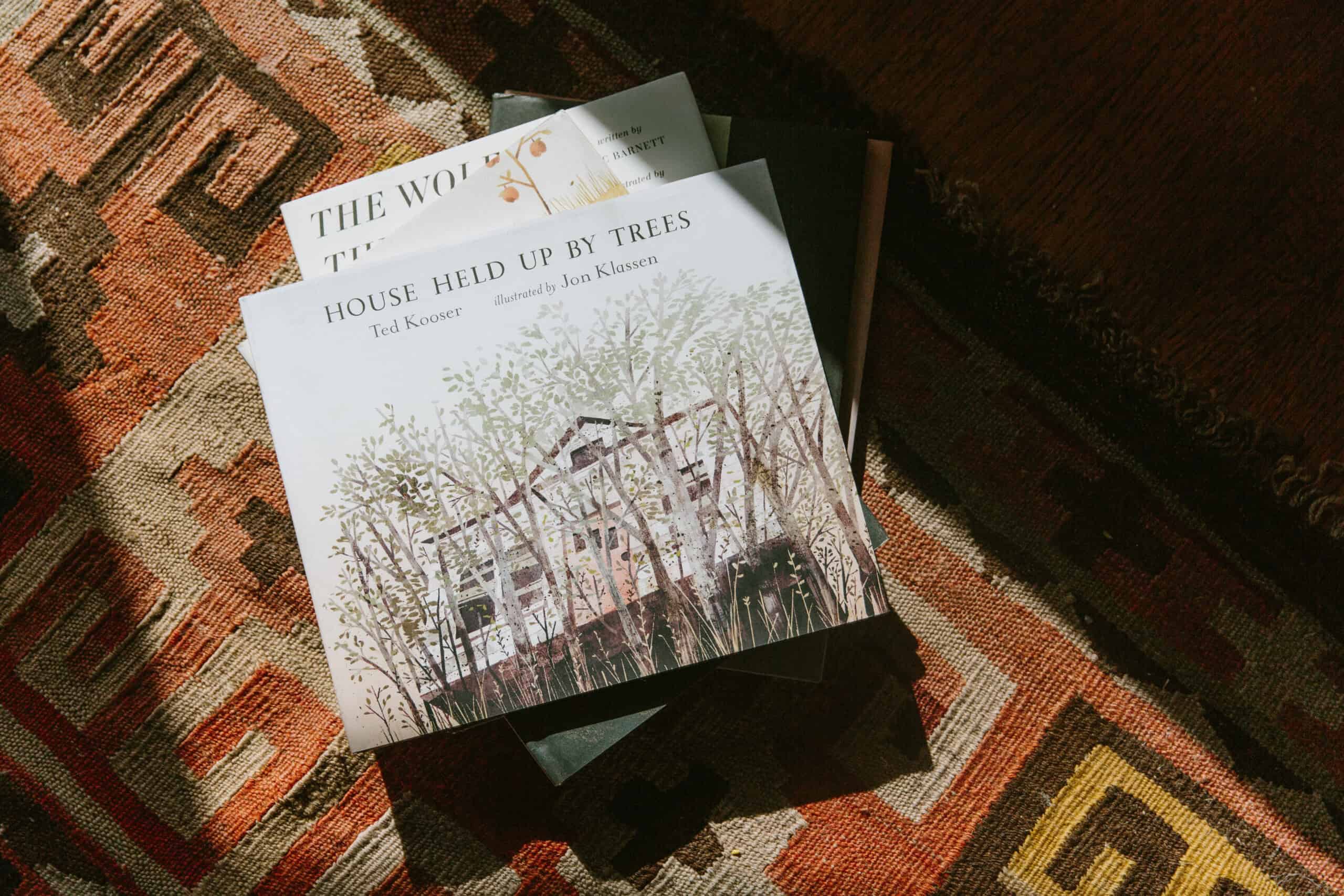
Photo by Nicki Sebastian
19 / 33
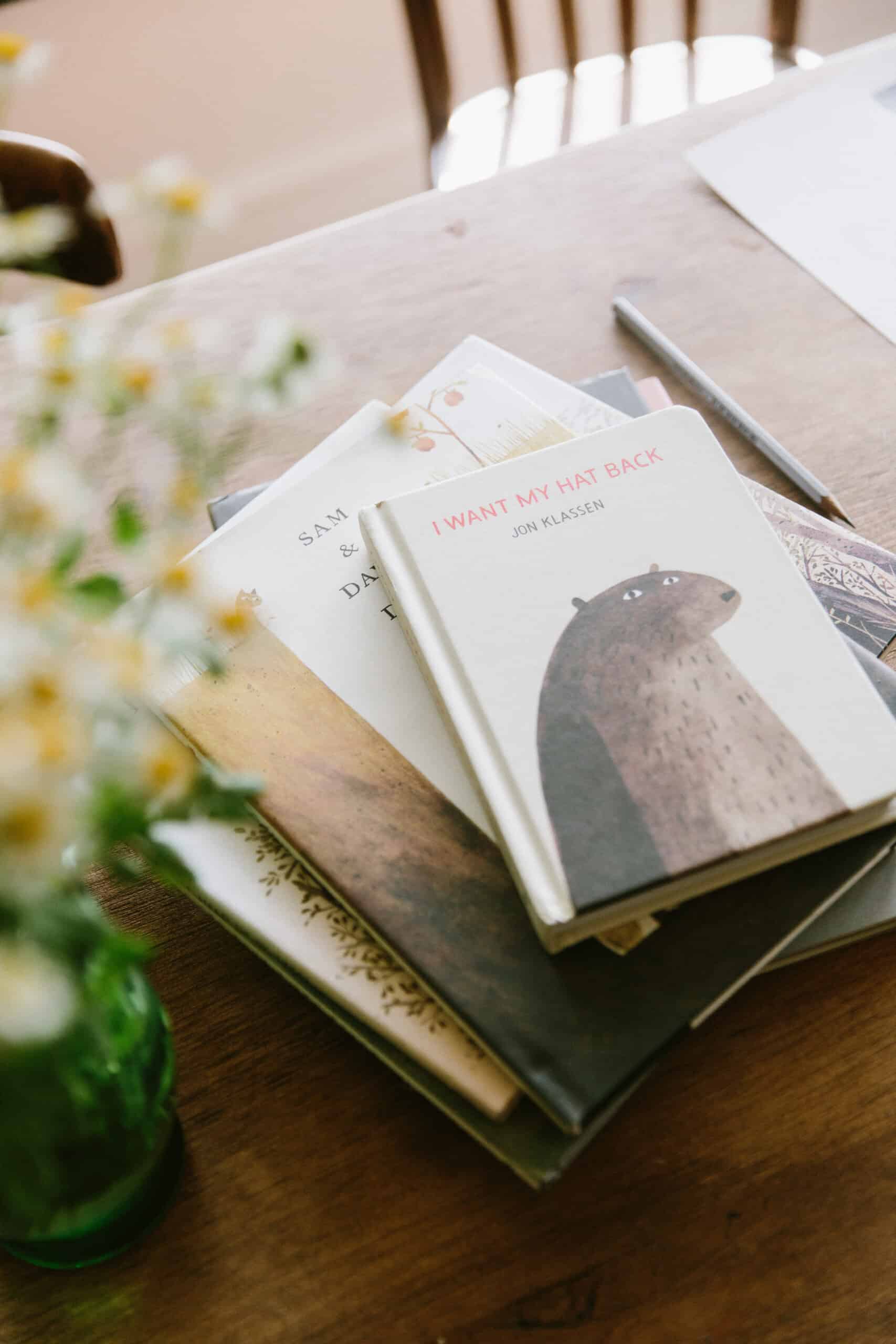
Photo by Nicki Sebastian
20 / 33
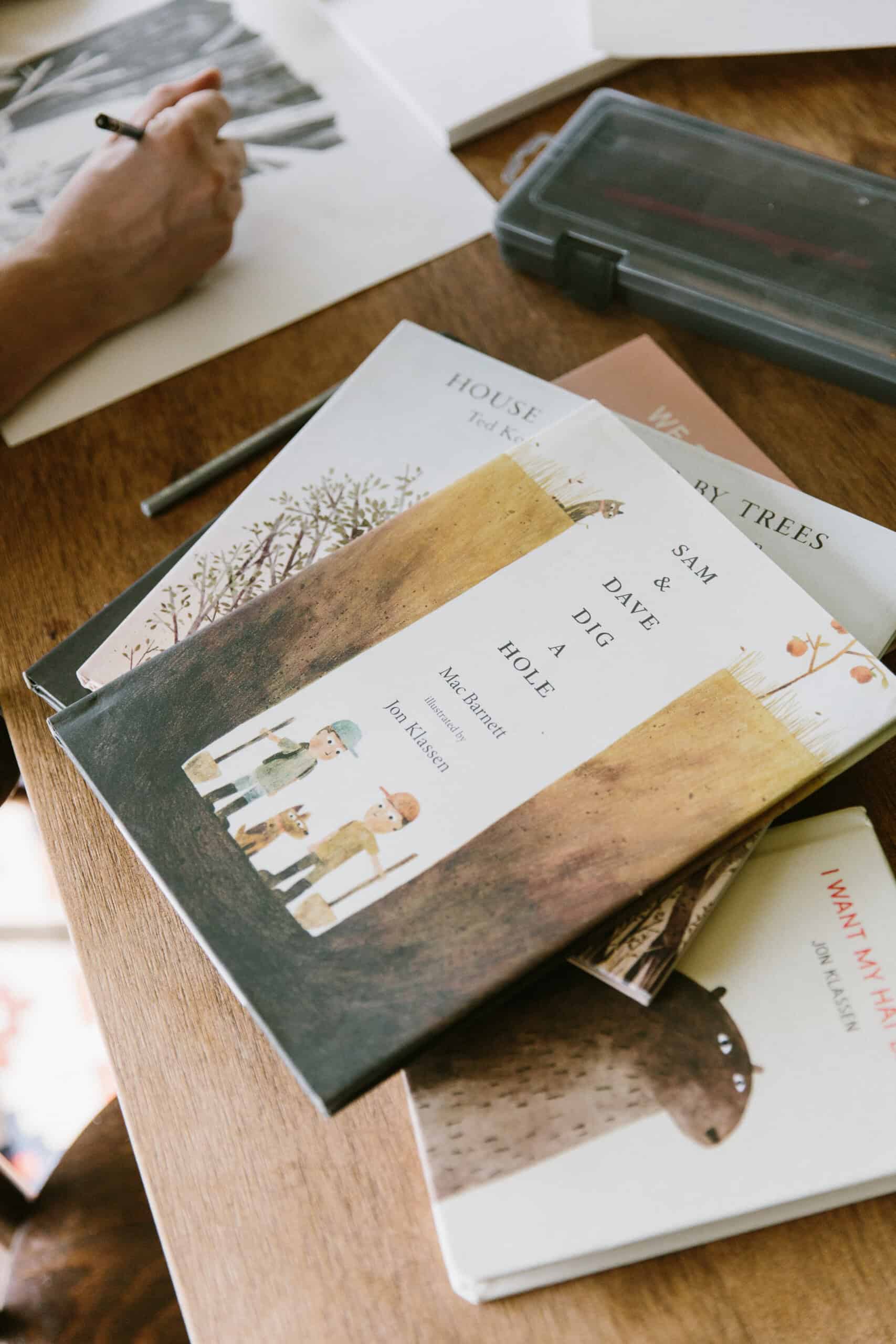
Photo by Nicki Sebastian
21 / 33
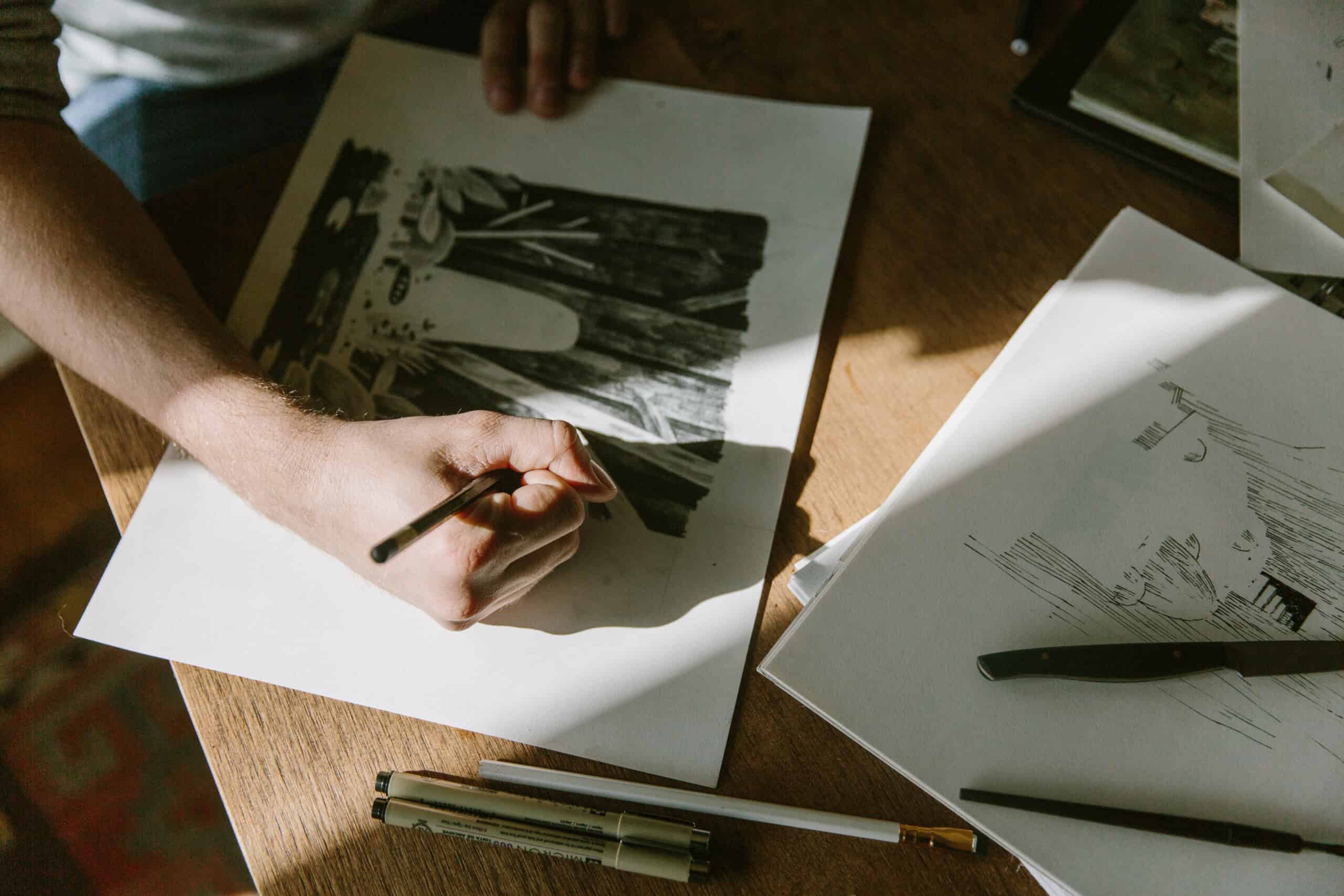
Photo by Nicki Sebastian
22 / 33
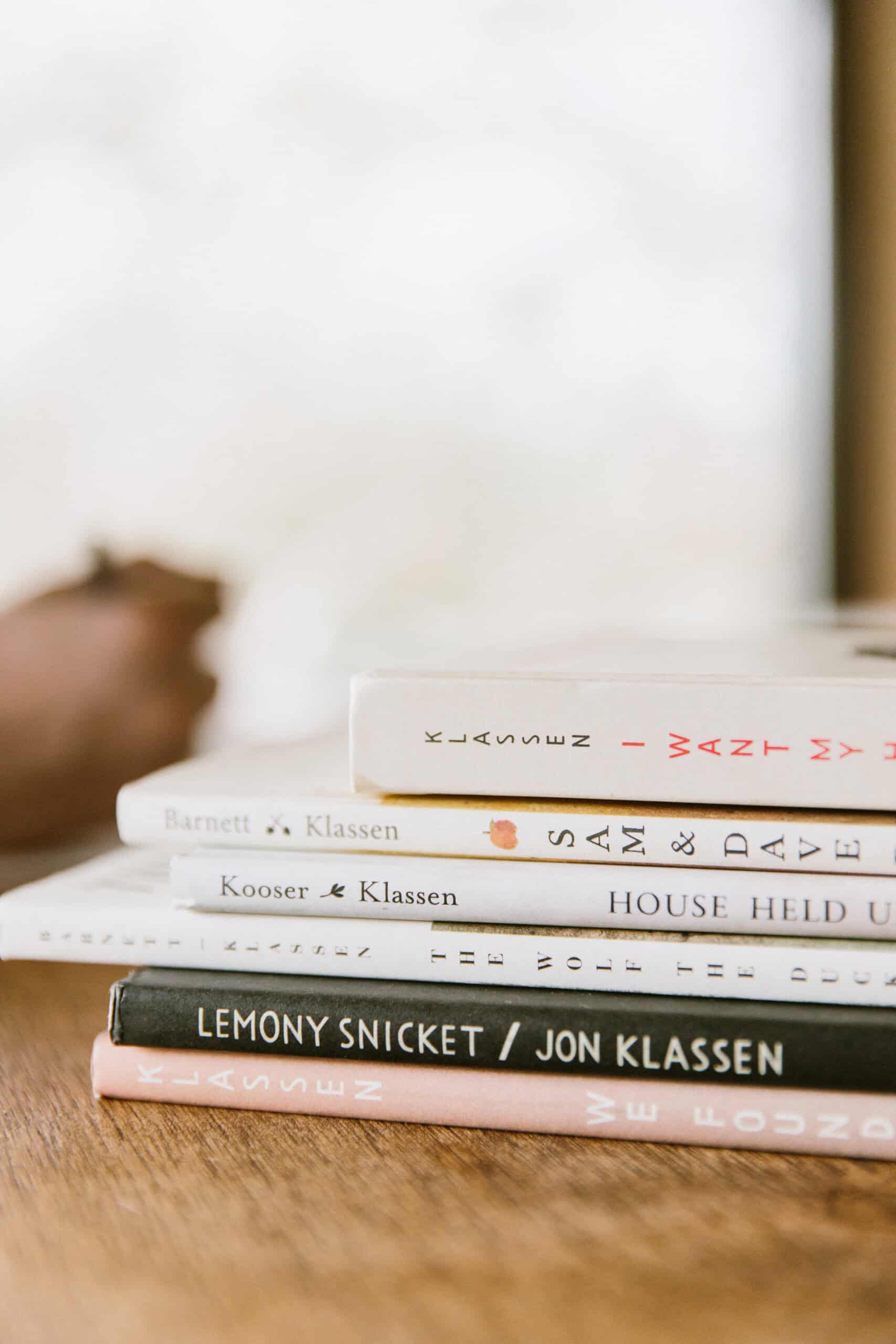
Photo by Nicki Sebastian
23 / 33
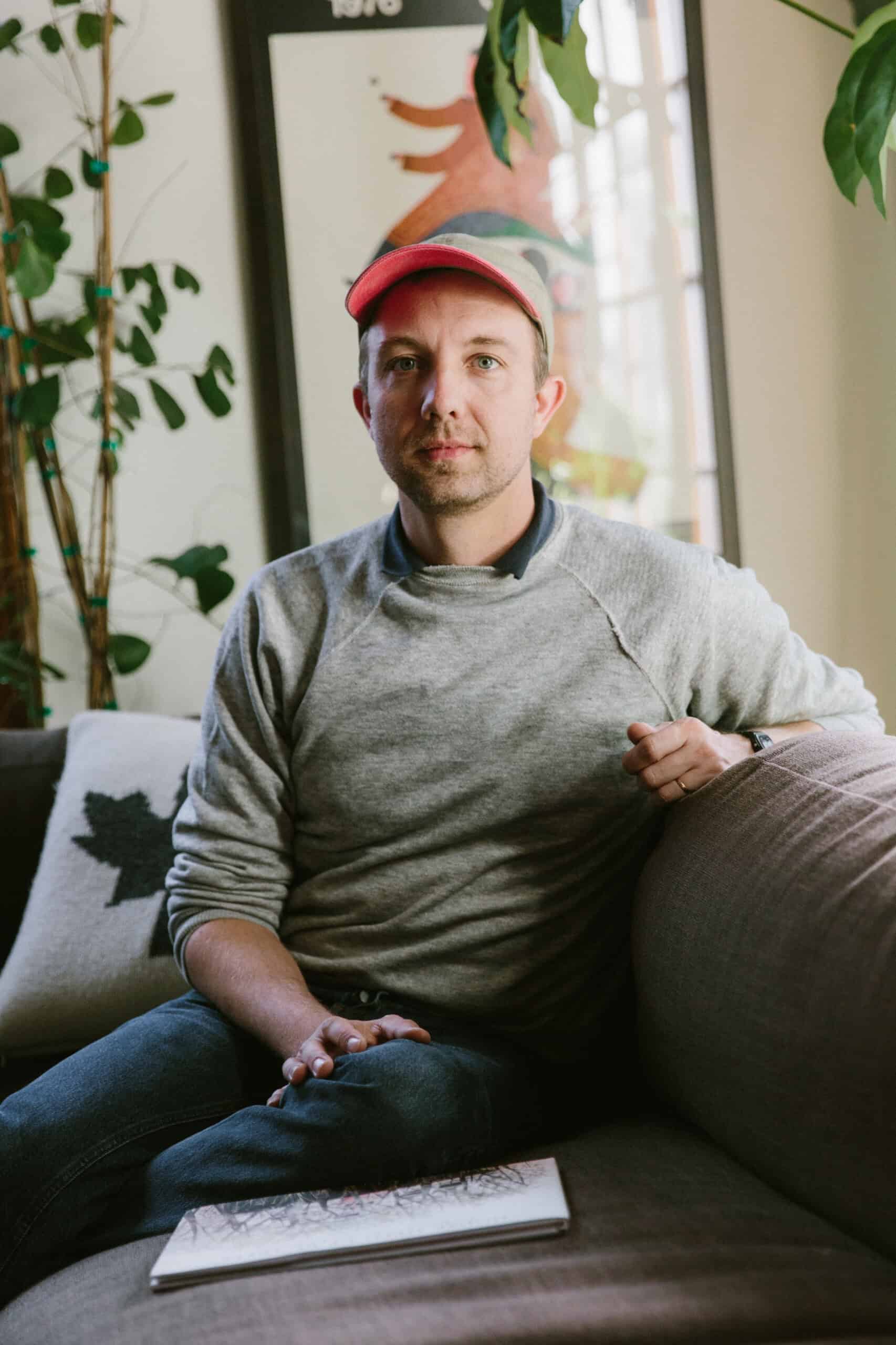
Photo by Nicki Sebastian
24 / 33
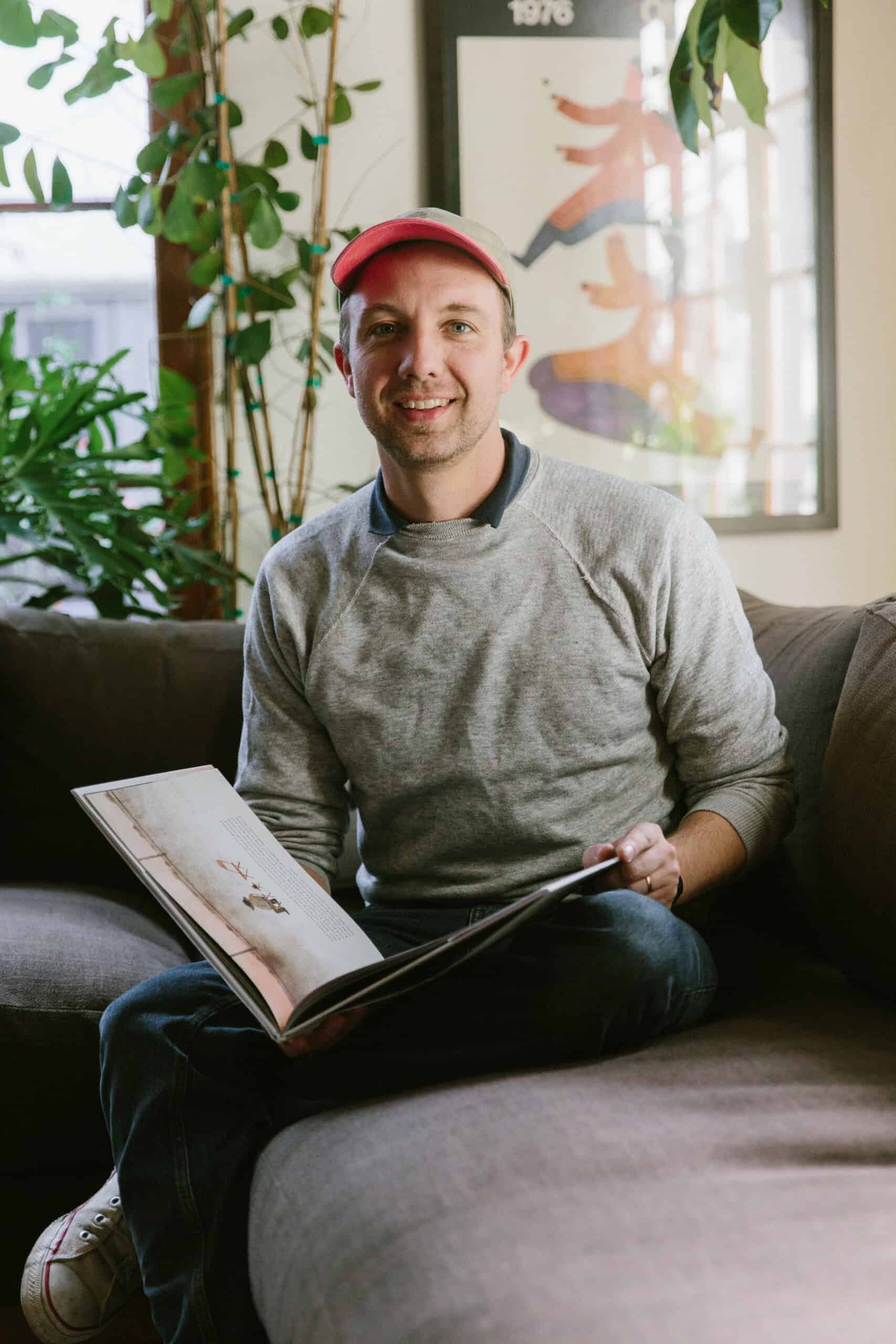
Photo by Nicki Sebastian
25 / 33
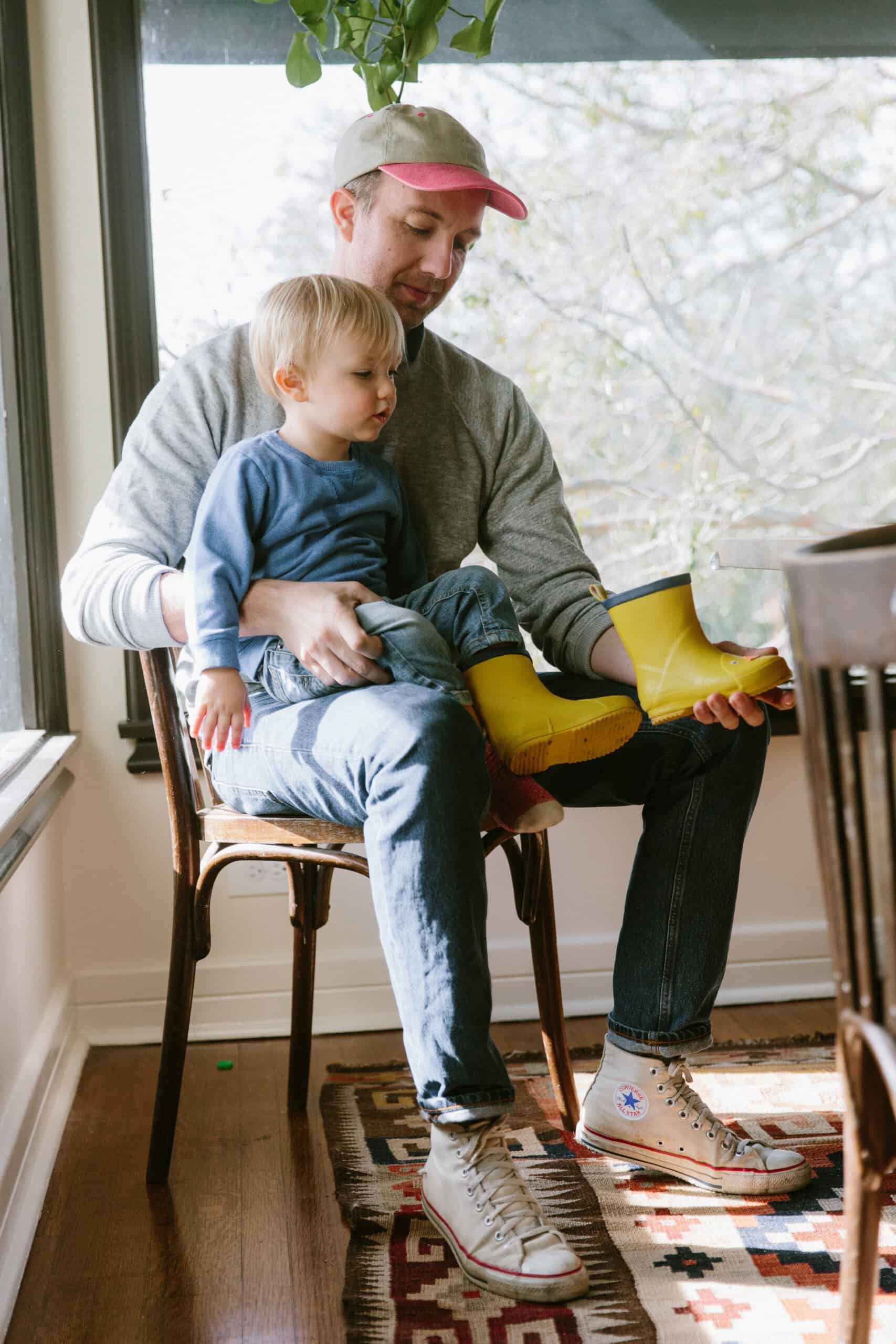
Photo by Nicki Sebastian
26 / 33
27 / 33
28 / 33
29 / 33
30 / 33
31 / 33
32 / 33
33 / 33
A look back at our 2019 studio visit with award-winning author and illustrator Jon Klassen—before the arrival of his second son.
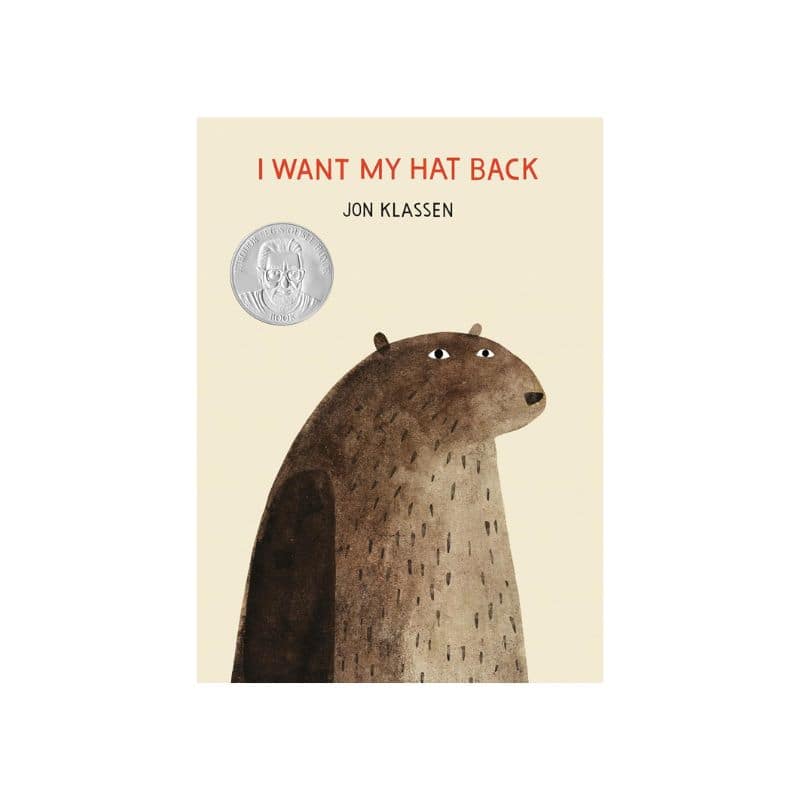
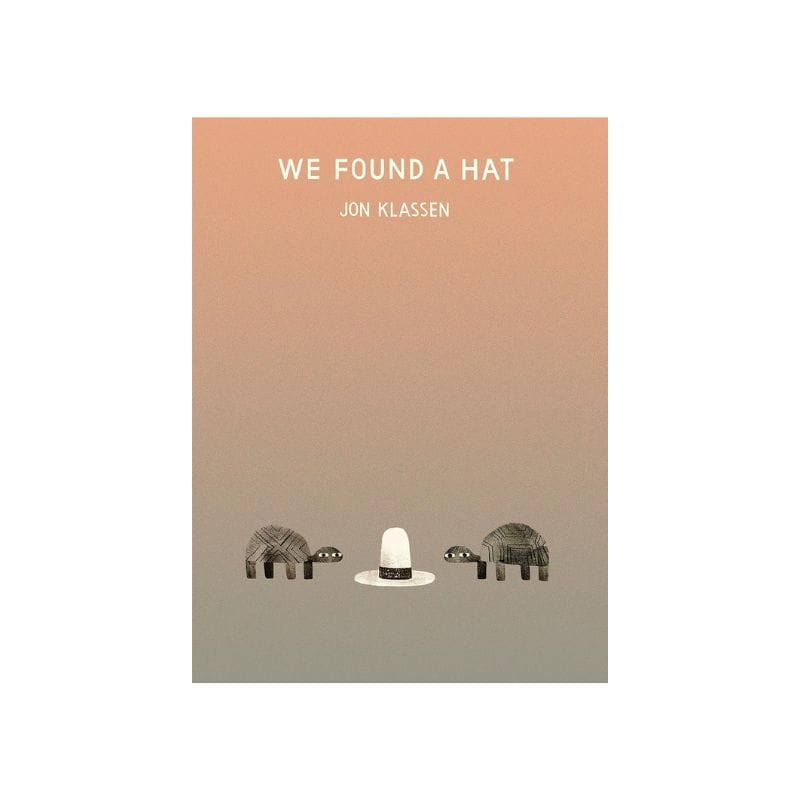
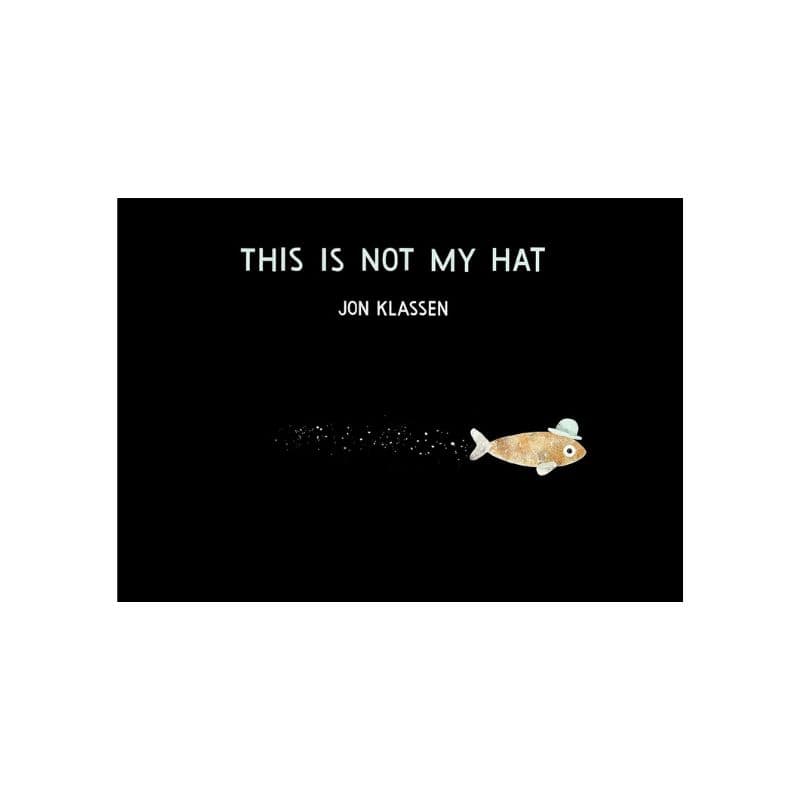
A former animator for films like Coraline and Kung Fu Panda, Jon Klassen first made his name on the kids’ book scene with his quirky trilogy about missing headwear: I Want My Hat Back, We Found a Hat, and This is Not My Hat.
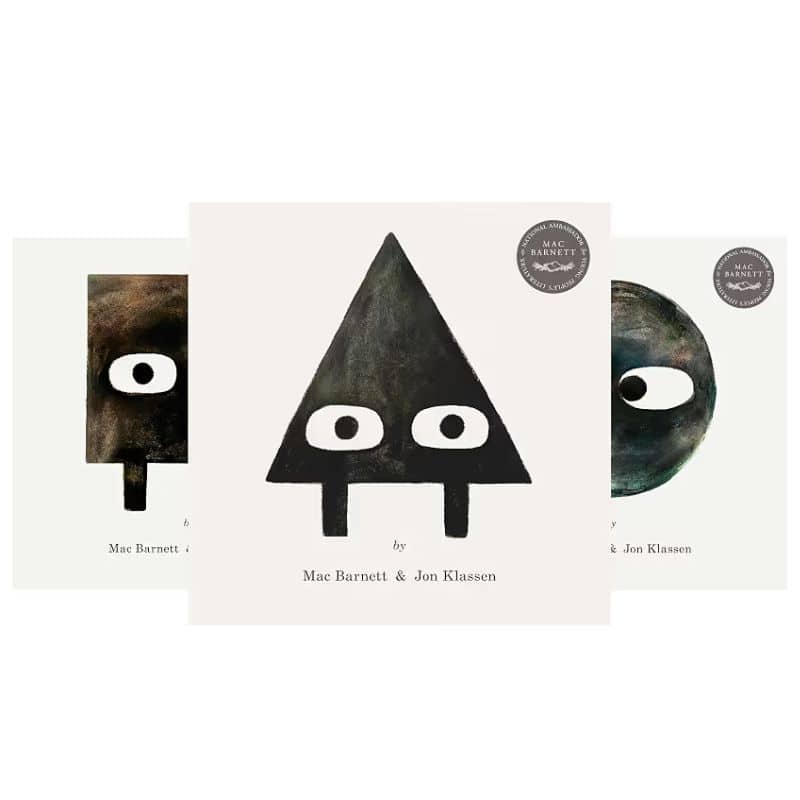
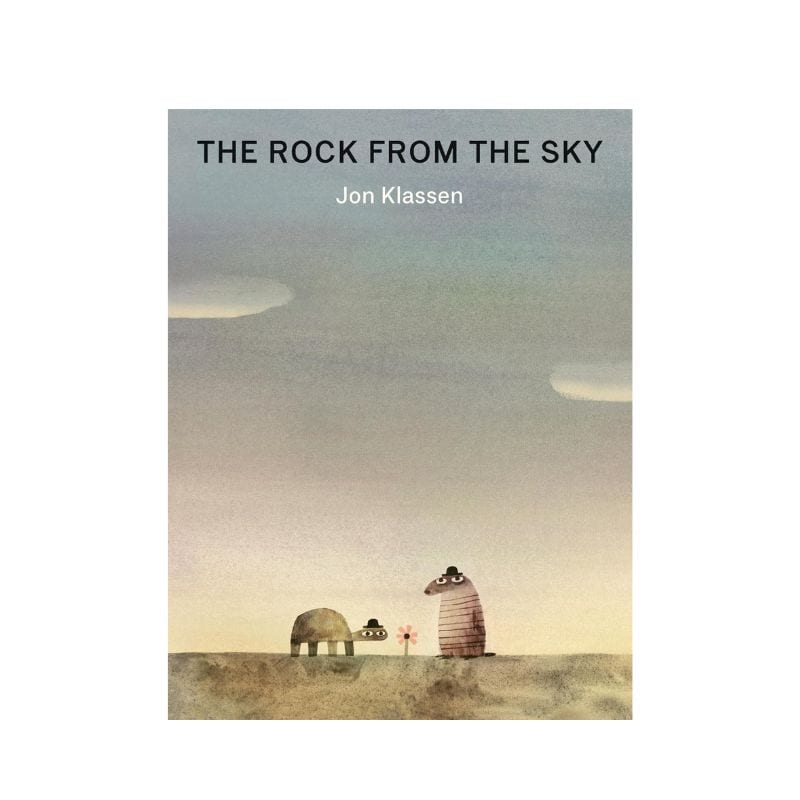
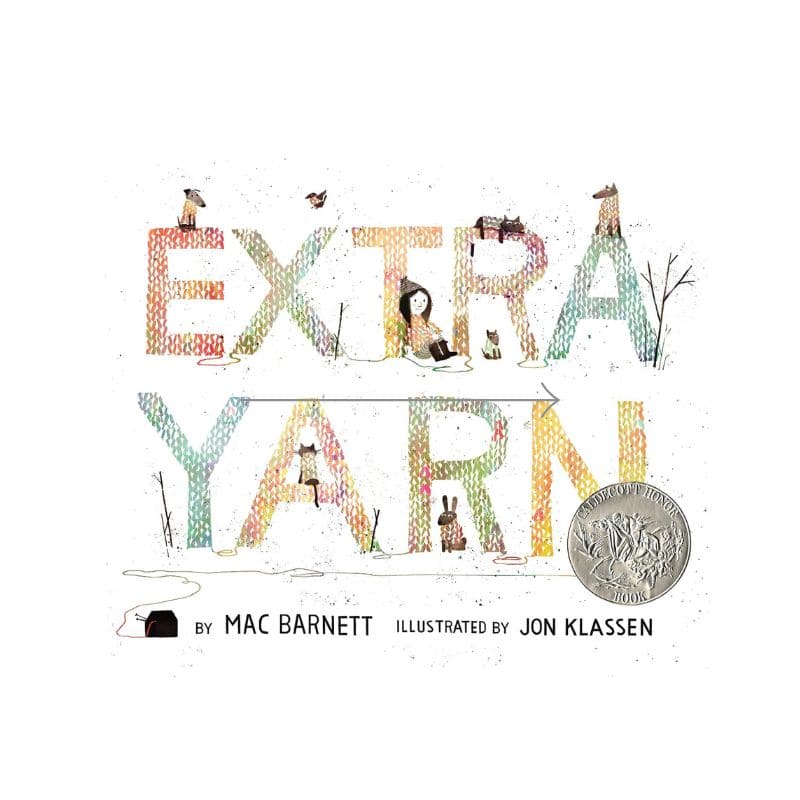
The Canadian-turned-Californian has since illustrated over 30 children’s titles (and authored 8 of them), including another quirky trilogy about misbehaving shapes (Square, Triangle, and Circle), written by his friend and colleague Mac Barnett and turned into an animated show, Shape Island, on Apple TV+.
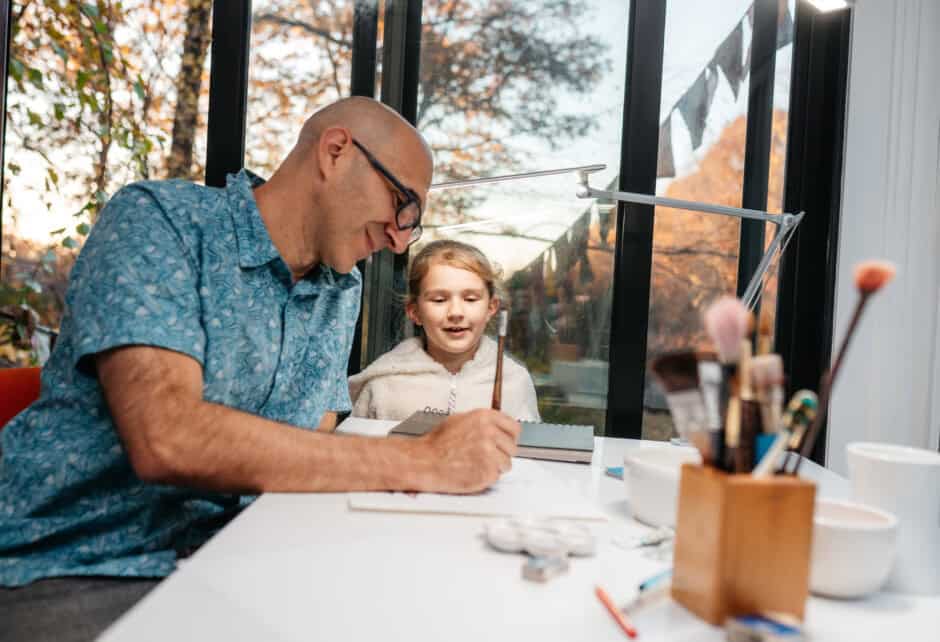
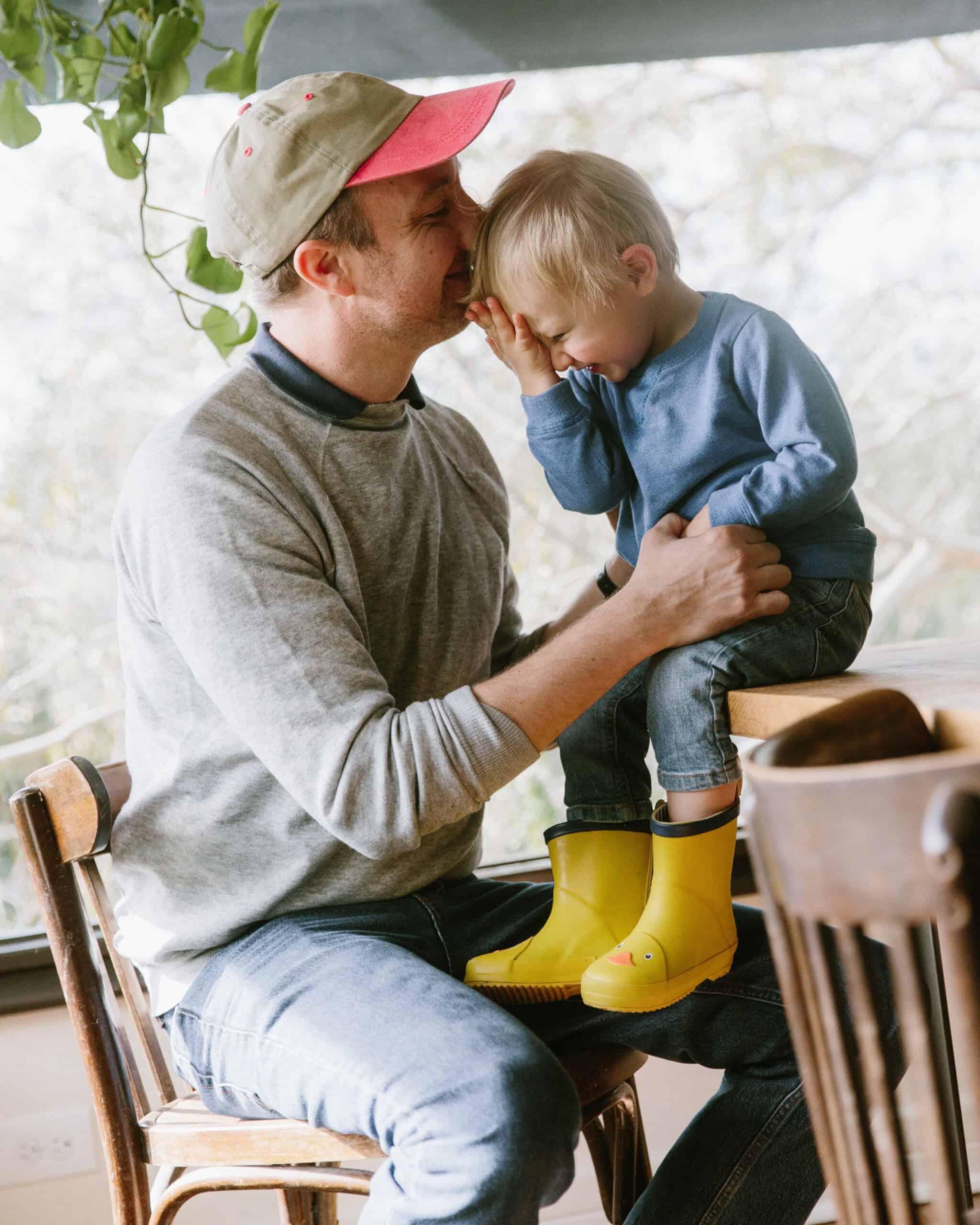
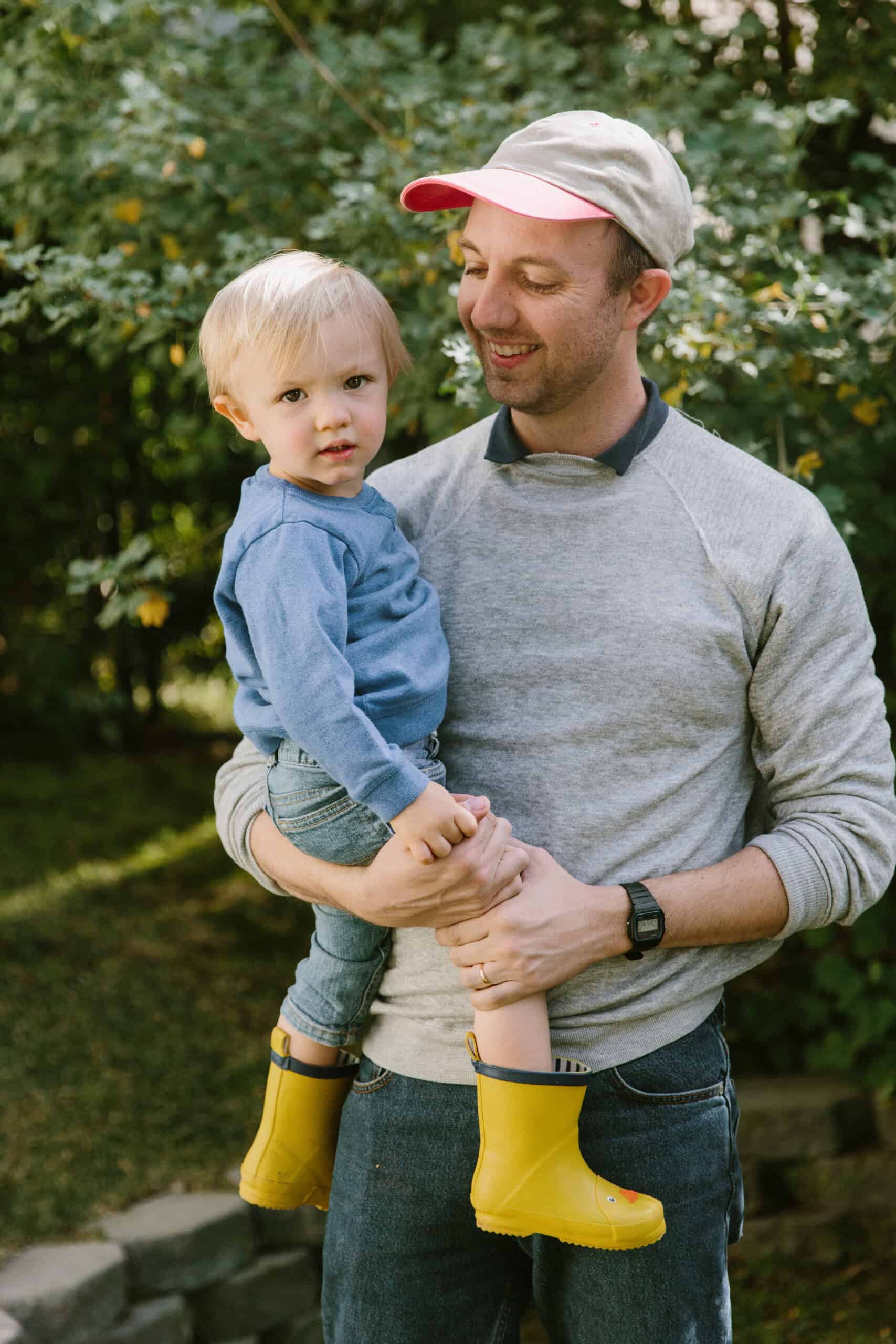
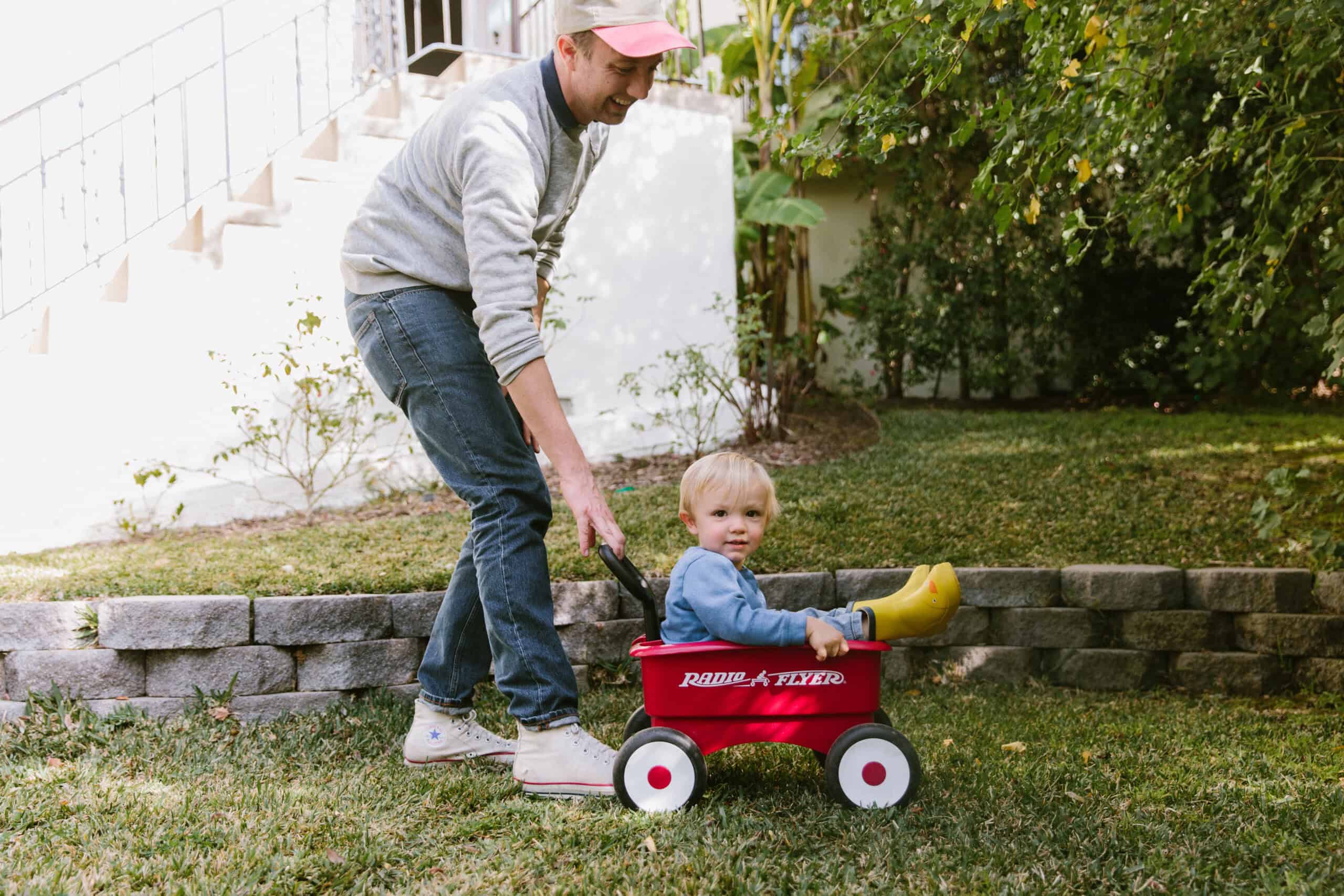
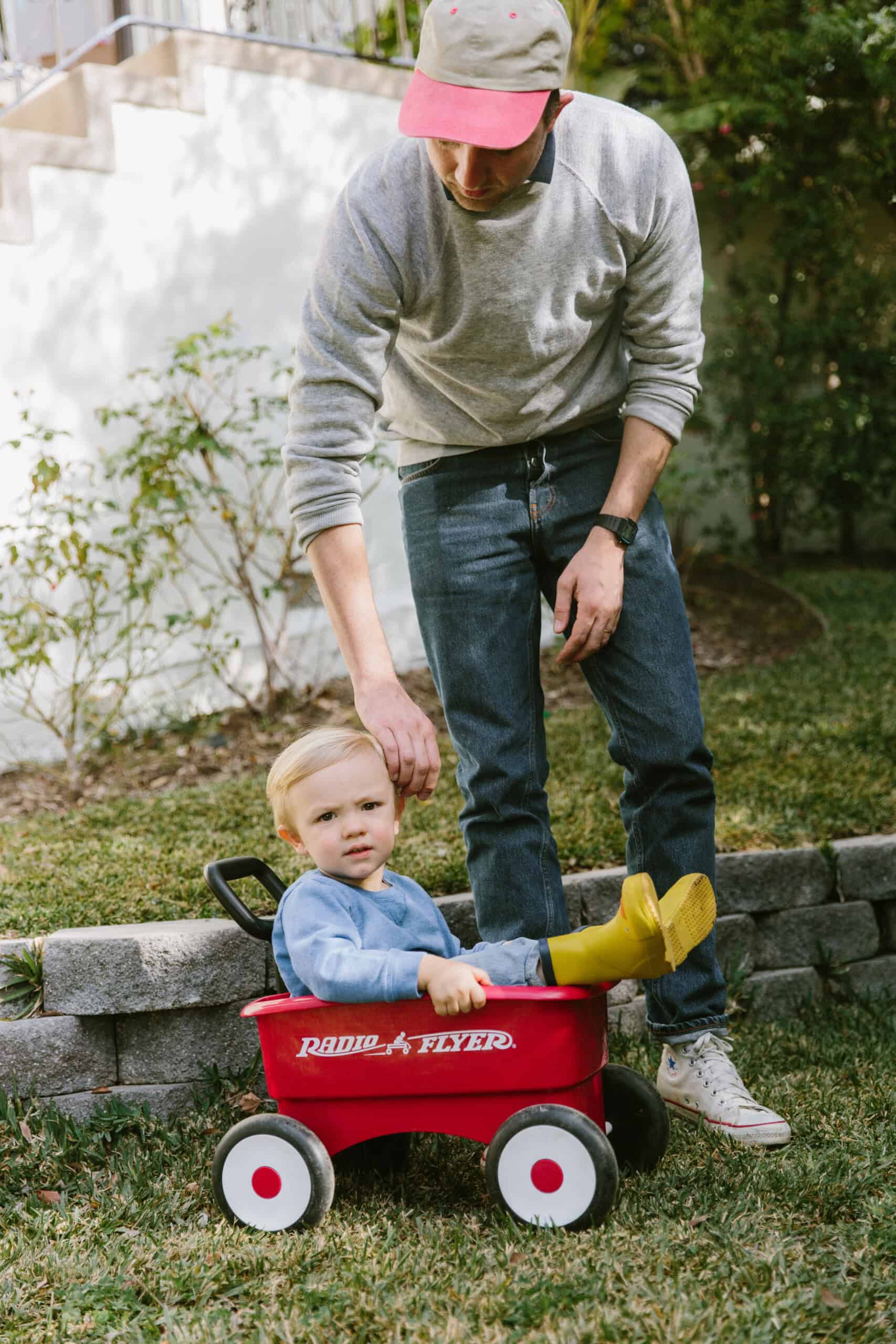
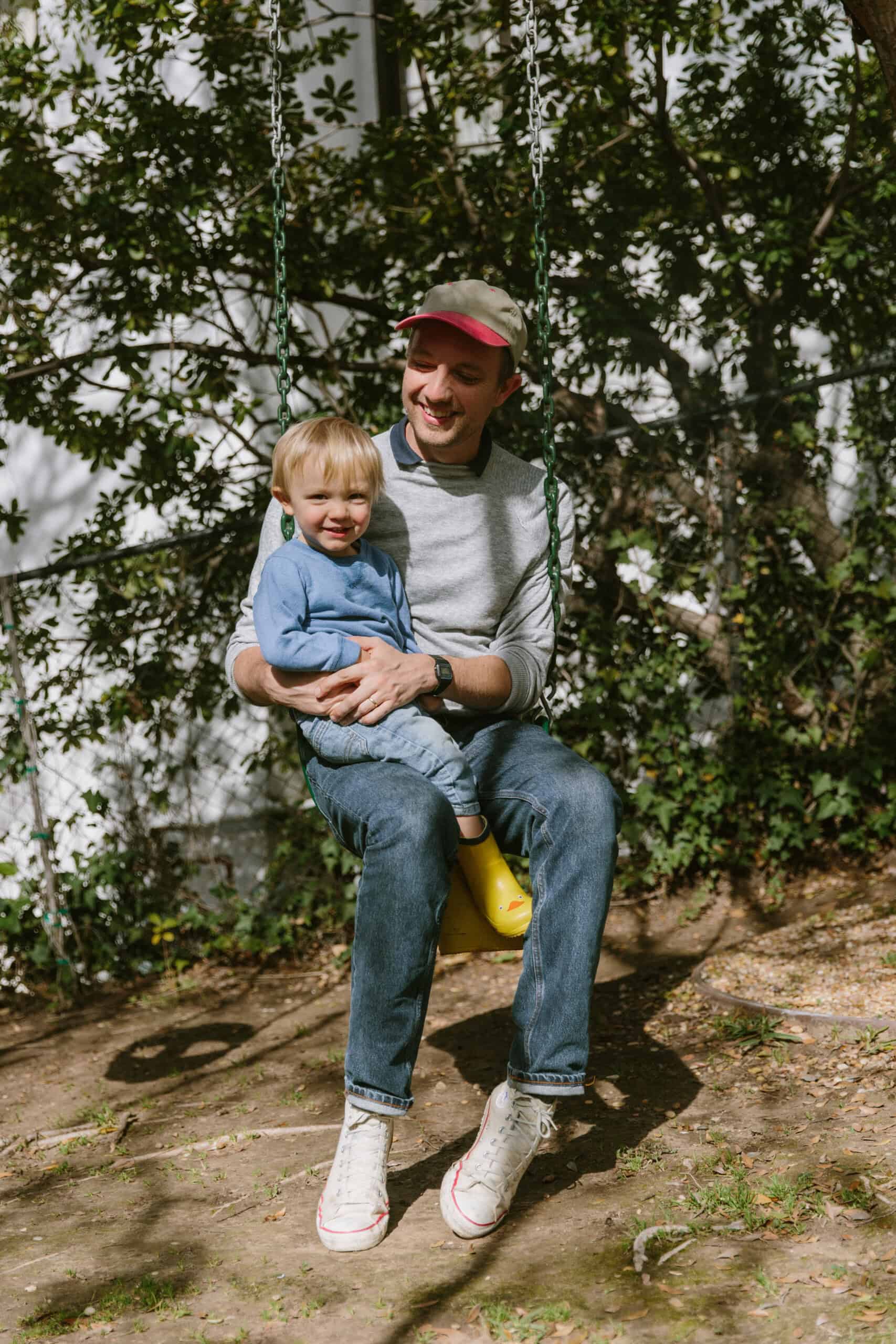
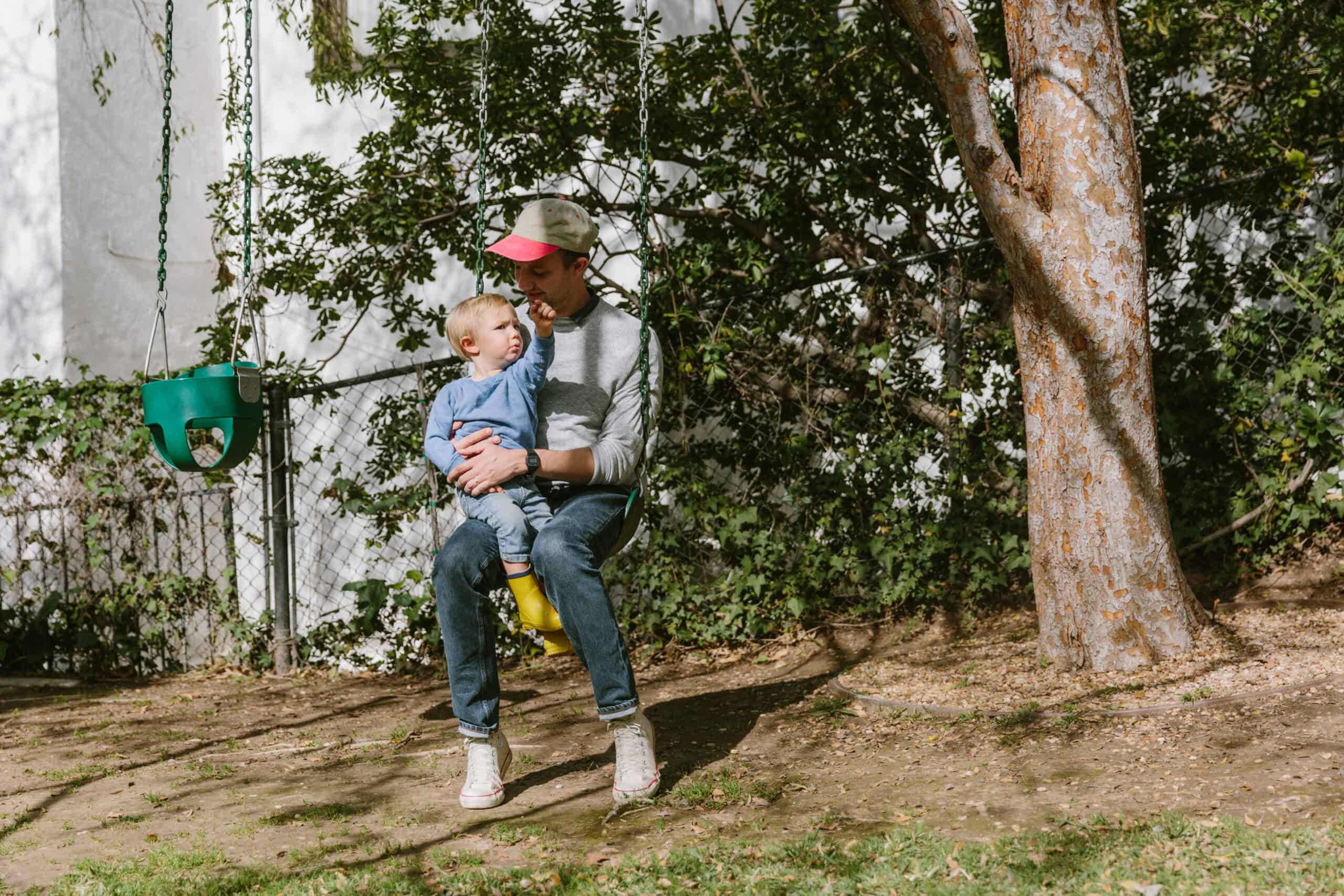
In 2019, Jon showed us around his sunny garage studio in Silver Lake, introduced us to his sweet two-year-old son, Issac (and revealed that there’s another baby boy on the way), and talked inspiration, process, and why he’s glad some kids don’t like his books.
To celebrate the launch of FATHER, we are republishing the article here—with some additional never-seen-before images.
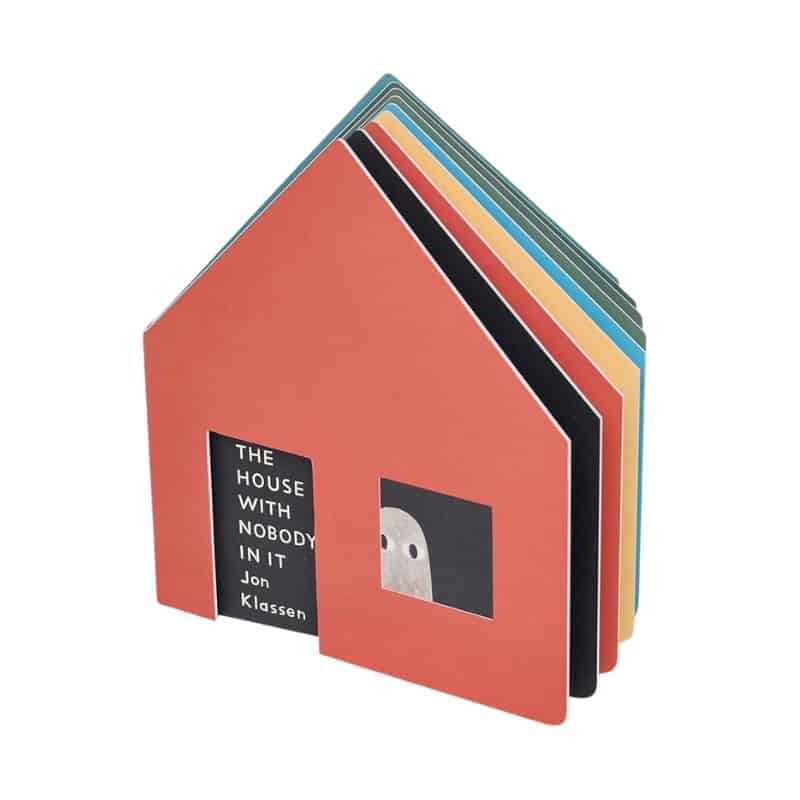
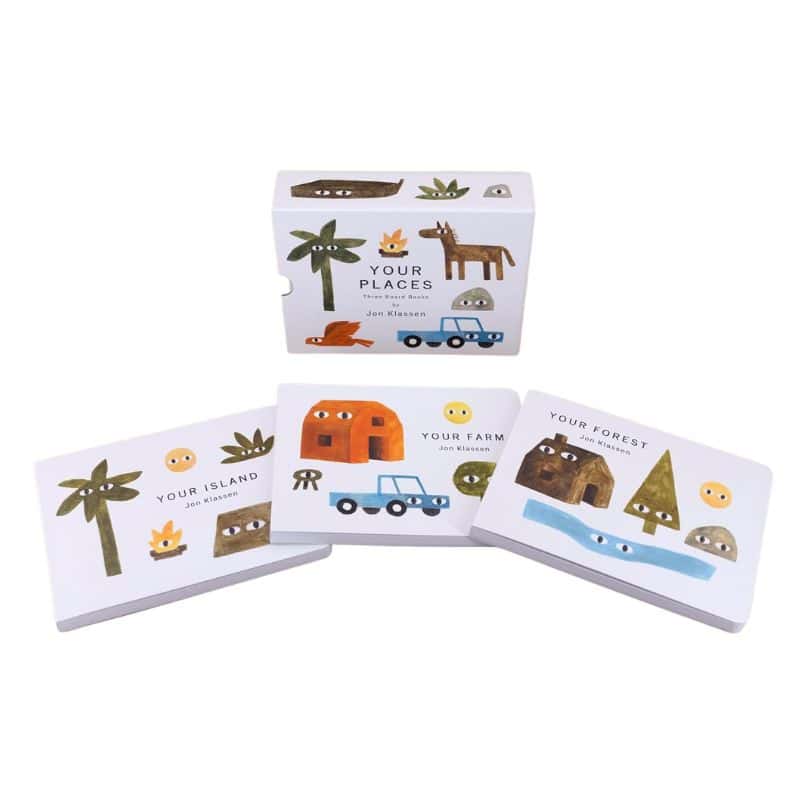
Inspired by his entry into fatherhood, you’ll see that Jon’s curiosity about board books—of which he’s since created an impressive series—was just beginning to take shape. He also hinted at a growing desire to author more of his own books, a path he’s continued to pursue in the years since our original profile.
“I think [board books are] potentially an even more poetic format than picture books because of how brief they have to be,” he explains. “And very little kids don’t seem to care about narrative so much as repetition and pattern. I think you could get away with some really interesting stuff in there.”
His advice for aspiring children’s book authors and illustrators also feels just as relevant today as it did seven years ago.
“I think that picture books are such a revered and nostalgic thing for so many people that when they sit down to make one of their own, they sometimes put all of this pressure on it to live up to all of those feelings, and it can freeze you up. The book only has to work on its own, it doesn’t have to be anything bigger than that. Take yourself out of it as much as possible and just try and focus on the idea and how to support it.”
You can follow Jon on Instagram @jonklassen, and on Substack at Jon Klassen Things and Looking at Picture Books (which he co-authors with Barnett).
Where is your studio located?
"My studio currently is in the garage at the house we recently moved to. The previous owner had converted it into a pretty soundproof music studio, so it is the quietest studio I have ever had. It has a little less character than the scrappy places I'm used to, because it's all renovated, but it is nice to walk 20 feet to your own house when you feel like taking a break."
Tell us about your work space. What are the details that motivate and inspire you?
"I wish I liked a clean minimal studio, but I definitely lean the other way—I like a bunch of stuff everywhere. Different paints and pencils and papers and materials that I don't know how to use yet—I like them to be close by so I can just grab them and not have to think about it. I don't have tons of artwork up on the walls, mostly postcards from museums and things like that. I like a very big table."
“Where [children] are as people is valid and I’d love the book to meet them there and make them laugh or scare them or whatever that particular book is meant to do, and do it well enough that they want to do it again and have a good but fuzzy memory of it later.”
What inspired you to write and illustrate children’s books?
"I went to school for animation and worked at the studios for a lot of years, but when I began to work on books they just lined up with so much of what I like about drawing and storytelling. I love the length of the books—they are short and you can tell a normal-paced story or something that feels more like a poem or a song, and it fits that, too. I also really like how the format and the audience really rewards economy and reduction. That's something I try for in my work regardless."
Tell us a little about your background.
"I was born in Winnipeg, Manitoba, but grew up mostly in Southern Ontario, Canada. I went to Sheridan College, just outside Toronto, for animation. After that, I worked in TV for a little while in Vancouver BC, and then as a story intern at Dreamworks in L.A., before going up to work at Laika where I did design work on their adaptation of Coraline. I came back to L.A., and Dreamworks, after that and did a few more years on a few more movies—the Kung Fu Panda ones mostly—and got into illustrating books on the side. Once my contract was up, I took up books full time and since I'd gotten married to a girl who is from Los Angeles and loves it actively, here we have stayed."
Tell us about the process of how you got your first book published.
"My first book that I wrote was I Want My Hat Back. I sent it to my agent, Steve Malk, and he lined up a bunch of calls with editors at different publishers who were interested. All of them liked it, except they all said I had to change the ending. I couldn't see the book working any other way so I was worried I wasn't going to get to make it, but then I talked to Liz Bicknell at Candlewick Press, who is still my publisher, and she got the book right away and I felt really lucky. I still do."
Tell us more about the switch from animation to illustration.
"I thought for a long time that animation was going to be it for me. It seemed to combine drawing and designing for a living with the stability of a 9-to-5 job, but the more work I did for the films, the more I found my own way of doing things, and when I got a chance to apply it to books it really felt like home. Even then, I just thought I was just going to be an illustrator of other people's books, but the writing of my own ones, when I figure it out, is so rewarding that I'm trying to make it more and more of what I do."
Tell us about your creative process. Where do your ideas come from?
"I don't sketch very much. I should. But I usually write first, since it's the harder part. I'll write with the page numbers next to the lines and then in parenthesis say what the pictures will be doing on that page. This is important because I don't really enjoy illustrating a page if there isn't anything happening in the picture that isn't described in the text. So, if I write a line that will go on a page and I have nothing new to put in the parenthetical picture-description part, I have to go back and rework it, because I know that will be a boring page for everybody. That relationship between the text and the pictures, and the variations and opportunities in there, is usually what hooks me into an idea early on. The plot and the look of the thing come later."
You have a long-standing partnership with Mac Barnett. Where did you guys meet and why do you think you work so well together?
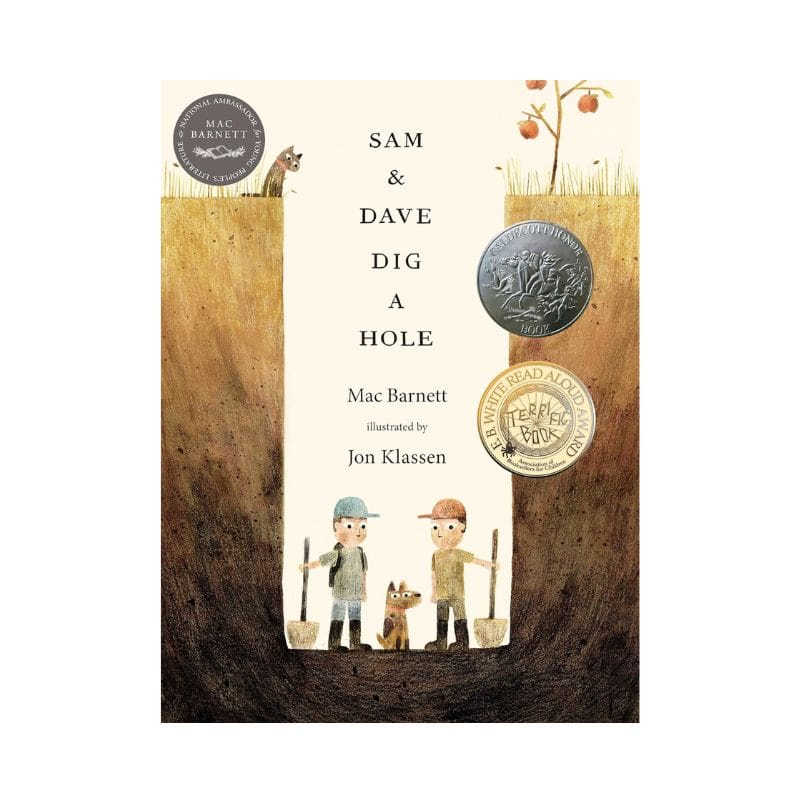
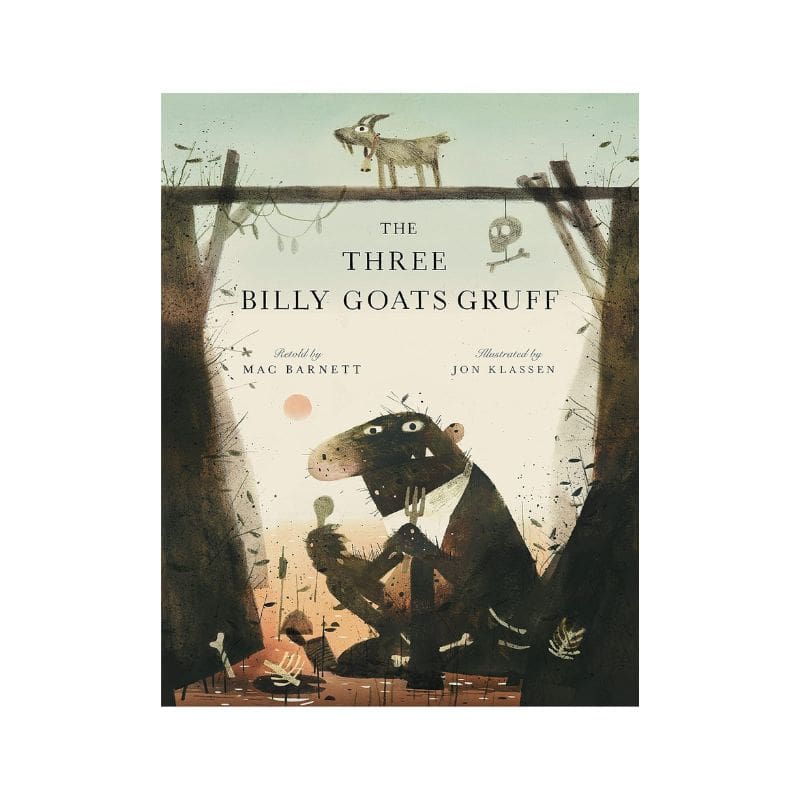
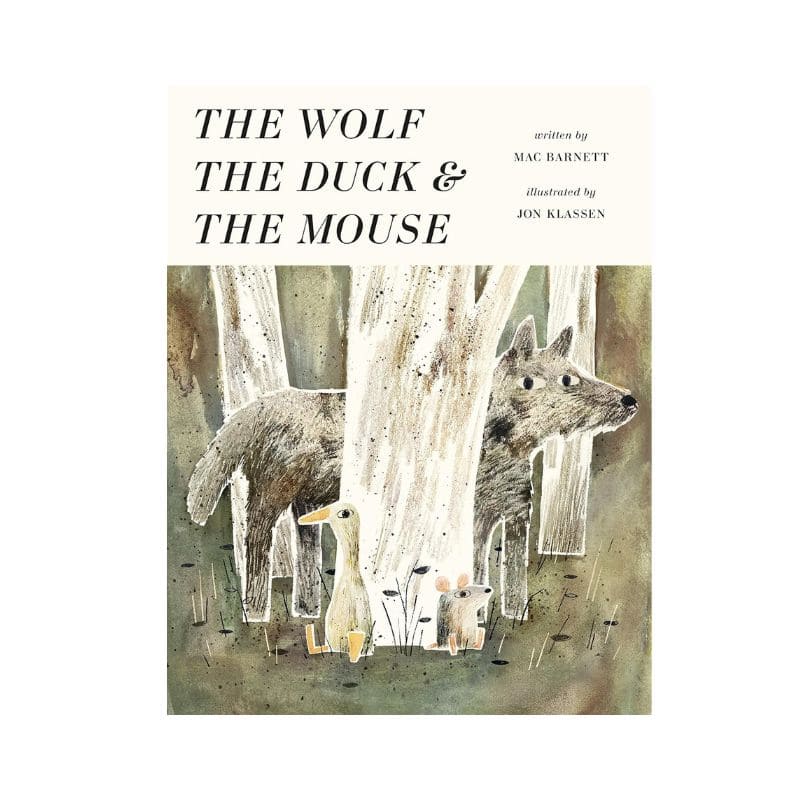
"Mac and I met through our agent, Steve Malk. When Steve and I first started working together, he threw a party and Mac was there. Steve put us in a corner together and said 'both of you like Frog and Toad' and our eyes went wide and that was that. I think we work well together because we trust each other and because we have really different skills. Mac is an amazingly agile and gifted writer and likes to jump right in and work quickly, where I am really all about the pre-game preparation and put off the actual game for as long as possible. But his stories allow me to illustrate things I would never give myself to illustrate on books that I'm proud to be a part of."
“I thought I was just going to be an illustrator of other people’s books, but the writing of my own ones, when I figure it out, is so rewarding that I’m trying to make it more and more of what I do.”
What items are always on your desk?
"My favorite two items are the most boring ones. I have an old electric pencil sharpener and one of those big heavy tape dispensers that sounds like it has sand or something weighing it down. I'd be lost without them. I work in graphite a fair amount, so there are lots of pencils. For color work, I use a whole soup of different kinds of things—it usually means painting on board or something heavy like that—so I have a big chaotic flat file to hold them."
Where do you shop for your supplies?
"Anywhere. I had a studio downtown for many years and there were a few shops there close to the art schools. Now that I'm at home, there's a supply store called Baller Art Ware that's pretty close by and has most of the stuff I need. But I really like finding supplies in weird places. The first two books I wrote were illustrated with Chinese ink and paper that I found in a bookstore downtown, and it vanished from the street after that—I feel like maybe I dreamed it."
Many children’s books can seem strange to adults but be beloved by kids. Why do you think that is?
"I don't know. It is a mystery. I think maybe the criteria is looser with kids. They're using the books for things we don't remember using them for. I go back to books I loved and it's much more like going back to a house you lived in than revisiting a story you liked. I think story is important, but it's not what I remember about picture books. When they're really working you kind of dream into them and that's what you remember. It's a place that you go. And what it takes to make that happen isn't always in the quality of the artwork or the story, it's much less easy to pin down. But it's the common denominator in all the books I loved, anyway."
How do you tap into that kid-centric language when working on a book?
"That is also a mystery. The best shot I have is keeping it simple, in the writing and the staging. Establishing a premise quickly and clearly is the thing I'm most impressed with in other work, and it's still the part I look forward to on books of my own. With kids you have to hook them really fast or they wander off. And there are lots of ways of doing that—you can do it with a story problem, or a rhythmic thing in the text, or just implying what might be possible in the book."
What do you think it is about your books that appeal so strongly to children?
"I think it's tricky to generalize about it. I don't think all children do like the books—I've certainly met some that don't. But it's freeing, in a way, to acknowledge that, because then you're not trying to capture a whole age group at once, because you can't. You know there are kids that do like the books, and when you're making the next one you're thinking that it's for them and that's a much easier weight to try and carry. And I think there's a good chance that if I got to sit down with those kids we'd have a lot to talk about, so you have to trust that all the way down. If it makes me laugh when I'm making it, you think there's a good chance it'll make those kids laugh, too. I think also it's very important that I myself stay interested in the work. An audience, including kids, can tell when someone made something they were really interested in, and that's almost the only thing you have to worry about. They really are the most open-minded audience, they're up for anything, they just want you to be truly excited about it along with them."
What do you hope children gain from reading your books?
"I would love it if they like hanging out in the books the same way I used to like hanging out in them. I don't think it's my place to be instructional or wise or anything. Where they are as people is valid and I'd love the book to meet them there and make them laugh or scare them or whatever that particular book is meant to do, and do it well enough that they want to do it again and have a good but fuzzy memory of it later."
Has being a parent influenced your career or the stories you tell?
"I have one son, Isaac, and he will be two in a few months. We have another unnamed boy on the way in just about a month. Being a parent hasn't really influenced the stories just yet, though I was never really interested in board books before, but now after having been exposed to so many, it really is an interesting area. I think it's potentially an even more poetic format than picture books because of how brief they have to be. And very little kids don't seem to care about narrative so much as repetition and pattern. I think you could get away with some really interesting stuff in there."
What do you love about being based in L.A.?
"I like that if you get in the car and drive for about two hours you can be in the desert, in the mountains, in the Redwoods, or deep in the Pacific Ocean. It's nice to have options."
Where would folks find you off the clock?
"I like a good long bike ride, and for some reason I really like going to the hardware store, even though I'm not as handy as that would imply. My favorite spot in the world is the lakes in Northern Ontario, but that takes a plane ride these days, so I'm just thinking about it a lot instead."
Do you have regular hours that you come to your studio to work?
"Since we have a kid now I try to keep office hours or close to them. It's tougher breaking my habits than I thought, though. I hit a sweet spot around 3 or 4 in the afternoon still, and now it's the least convenient time to hit a sweet spot. I used to pull all nighters on the books, but I'm too old—or something—now, and if I do that I lose the whole next day to recovering, so it's not worth it."
What would you consider your big break when it comes to the children’s book world?
"The publication of I Want My Hat Back was the big break for sure. It got a lot of amazing support from the indie bookstores, and I wouldn't have a job today without it I don't think. There's been a lot of lucky breaks since then, but that book changed my life for sure."
What advice would you give to an aspiring children’s author or illustrator?
"I think that picture books are such a revered and nostalgic thing for so many people that when they sit down to make one of their own, they sometimes put all of this pressure on it to live up to all of those feelings, and it can freeze you up. The book only has to work on its own, it doesn't have to be anything bigger than that. Take yourself out of it as much as possible and just try and focus on the idea and how to support it."
Are you working on anything new that you can tell us about?
"I'm at the end of a quieter period, production-wise. I have a lot of things that are about 90 percent ready to work on and I'm kind of choosing which way to go. I have two books of my own that are almost ready to show the publisher, and I've signed up to do some jacket and interior illustrations for some chapter books that I'm looking forward to a lot."
Shop the Story
Share this story